
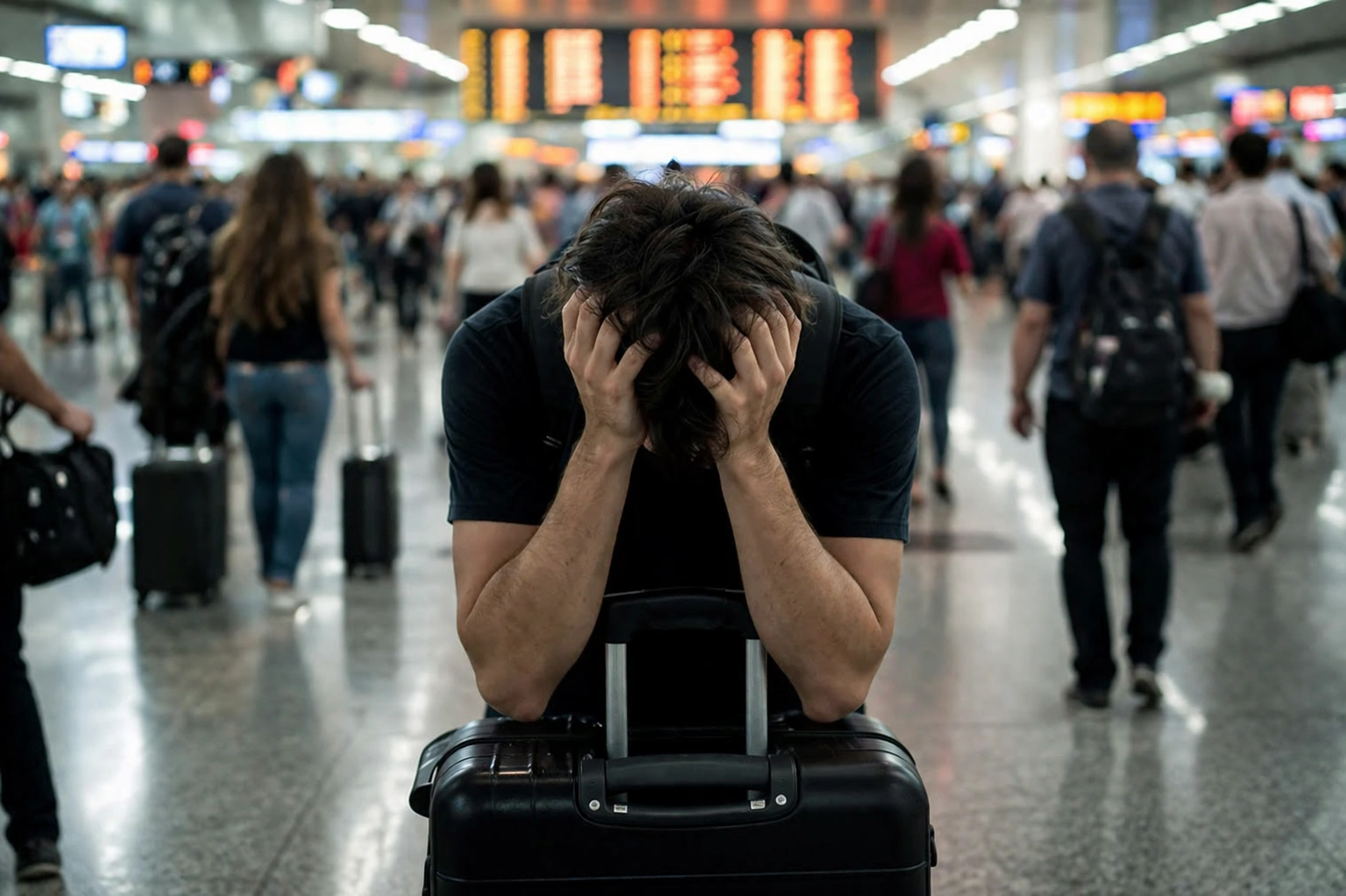
Thousands Of Passengers Trapped Around Asia Today As Thailand, Japan, Singapore, Malaysia, China, And Indonesia Delay 2,880 And Cancel 139 Flights, Disrupting AirAsia, Batik Air, ANA, Japan Airlines, China Eastern, And Others In Bangkok, Kuala Lumpur, Tokyo, And More
Thousands of passengers across Asia are facing widespread travel chaos today as major flight disruptions ripple through key aviation hubs including Bangkok, Kuala Lumpur, Tokyo, Singapore, Jakarta, and Shanghai. Airlines such as AirAsia, Batik Air, ANA, Japan Airlines, and China Eastern have been significantly impacted, with delays affecting nearly 2,880 flights and at least 139 cancellations reported across the region.
The scale of disruption has created a domino effect, leaving travelers stranded at airports, missing connections, and scrambling for alternatives during one of the busiest travel periods in the region.
Key Airports Hit the Hardest
Major international airports are bearing the brunt of the crisis. Bangkok’s Suvarnabhumi Airport, Kuala Lumpur International Airport, Tokyo’s Haneda and Narita airports, and Singapore Changi Airport are experiencing severe operational strain.
Passengers at these hubs are reporting long queues, crowded terminals, and extended waiting times. In several cases, flights have been delayed for hours, while others have been abruptly canceled, forcing airlines to rebook large volumes of passengers.
The interconnected nature of these hubs means disruptions in one location are quickly cascading across multiple countries.
Airlines Struggle to Recover Operations
Leading carriers across Asia are working to stabilize operations, but the volume of disruptions has made recovery challenging. Low-cost carriers like AirAsia and Batik Air are particularly affected due to tight turnaround schedules, while full-service airlines such as ANA and Japan Airlines are dealing with international connection delays.
China Eastern and other Chinese carriers are also reporting operational bottlenecks, further intensifying congestion at regional airports.
Airlines are deploying contingency measures, including aircraft swaps, crew rescheduling, and additional customer support services, but delays continue to build as schedules fall behind.
Causes Behind the Widespread Delays
While disruptions of this scale are often caused by multiple factors, initial reports point to a combination of adverse weather conditions, air traffic congestion, and operational constraints.
Thunderstorms and unstable weather patterns in Southeast Asia have impacted flight schedules, particularly in Thailand, Malaysia, and Indonesia. At the same time, heavy air traffic volumes in Japan and China are contributing to delays in departures and arrivals.
Staffing limitations and technical issues in certain locations are also being cited as contributing factors, compounding an already strained system.
Passengers Left Stranded and Frustrated
For travelers, the experience has been overwhelming. Many passengers have been stranded overnight, with limited information and uncertain rebooking timelines.
Families, business travelers, and tourists alike are facing missed connections, disrupted itineraries, and unexpected expenses. Social media is flooded with reports of long waiting times, lack of communication, and difficulties securing alternative flights.
Airports are attempting to manage the situation by providing assistance desks and support services, but the sheer number of affected passengers is stretching resources thin.
Regional Travel Network Under Pressure
The current situation highlights the vulnerability of Asia’s highly interconnected aviation network. With major hubs acting as transit points for international and domestic travel, disruptions quickly escalate into regional crises.
Flights connecting Southeast Asia to Northeast Asia, as well as long-haul routes linking Europe and the Middle East, are experiencing knock-on effects. Even airports not directly impacted are seeing delays due to aircraft and crew displacement.
This interconnectedness, while efficient under normal conditions, becomes a challenge during large-scale disruptions.
What Travelers Should Do Now
Passengers traveling across Asia in the coming days are advised to stay proactive and informed. Checking flight status regularly through airline apps and airport websites is essential.
Travelers should arrive at the airport earlier than usual to account for potential delays and long queues. Keeping alternative travel plans in mind, including backup flights or flexible bookings, can help mitigate disruptions.
It is also recommended to review airline policies on delays and cancellations, including compensation, refunds, and accommodation support.
Airlines Focus on Passenger Support
Airlines are ramping up customer service efforts to handle the surge in affected passengers. Many carriers are offering free rebooking options, travel vouchers, or refunds depending on the circumstances.
Additional staff are being deployed at airport counters and call centers to assist travelers. However, response times may still be longer than usual due to high demand.
Passengers are encouraged to use digital channels, such as mobile apps and online chat services, to avoid long queues at service desks.
Economic and Travel Impact
The disruption is not only affecting passengers but also having broader economic implications. Delays and cancellations can lead to lost revenue for airlines, increased operational costs, and disruptions to tourism and business travel.
Hotels, tour operators, and transport services are also feeling the impact as travelers adjust or cancel their plans. In popular destinations like Bangkok and Tokyo, the ripple effects are being felt across the entire tourism ecosystem.
What Comes Next
As airlines work to restore normal operations, it may take several days for schedules to fully stabilize. The backlog of delayed flights and displaced passengers will continue to affect operations in the short term.
Travelers are advised to remain flexible and patient as the situation evolves. Authorities and airlines are expected to closely monitor conditions and implement additional measures if needed.