
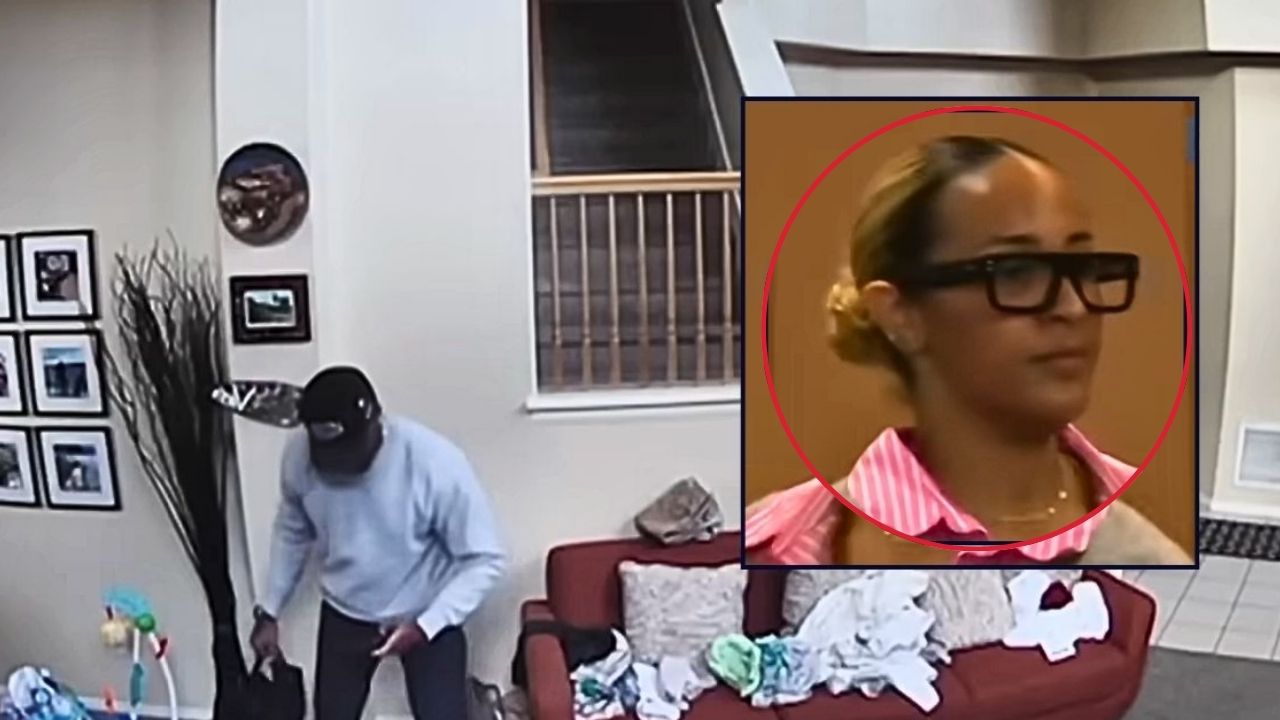
A woman has pleaded guilty after authorities accused her of secretly accessing her former husband’s Ring security camera system and livestreaming hundreds of hours of private footage from inside and outside his home. Court documents describe the alleged surveillance as an extensive invasion of privacy that exposed intimate family moments and sensitive personal information.
The case has drawn widespread attention because it highlights how smart home technology can become a tool for unlawful surveillance when account access falls into the wrong hands.
Guilty Plea Ends Criminal Case
Rayna Bell pleaded guilty to a misdemeanor charge of eavesdropping using an electronic device, according to court records.
As part of the plea agreement, Bell was sentenced to one day in custody, with credit for time already served. The court also ordered her to complete one year of probation and pay restitution.
While the criminal proceedings have largely concluded, the legal dispute is expected to continue through a separate civil lawsuit planned by Bell’s former husband.
Ex-Husband Sought Domestic Violence Restraining Order
The allegations first became public through a request for a domestic violence restraining order filed by Bell’s ex-husband.
According to the filing, Bell unlawfully accessed his Ring camera system during the previous year and connected the account to six Amazon Alexa devices registered in her own name.
The complaint alleges that this unauthorized access allowed her to remotely monitor cameras installed throughout the family’s property, including devices located both inside and outside the home.
The filing claims the surveillance continued over an extended period without the family’s knowledge.
More Than 700 Hours of Footage Allegedly Viewed
Court documents describe the alleged monitoring as unusually extensive.
According to the restraining order request, Bell viewed approximately 44,640 minutes of live camera footage over a two-month period.
That amounts to more than 744 hours of surveillance, averaging roughly 12 hours of viewing every day.
The cameras reportedly covered several areas of the residence, including common living spaces as well as children’s bedrooms.
The ex-husband argued that the unauthorized monitoring violated both his family’s privacy and their sense of security within their own home.
Family Discovered Surveillance After Hearing a Voice
The family said they first realized something was wrong when they unexpectedly heard someone speaking through one of the home’s security cameras.
According to statements provided to KNSD, the voice was recognized as Bell’s.
Acacia Young, the ex-husband’s fiancée, said the discovery left the household feeling shaken and unsafe.
She explained that once the family’s sense of privacy had been disrupted, restoring a feeling of security inside the home became extremely difficult.
The incident prompted the family to investigate the camera system, eventually leading to the allegations outlined in the restraining order.
Complaint Describes Highly Personal Recordings
Among the most serious allegations contained in the court filing are claims that Bell viewed and recorded deeply private family moments.
According to the complaint, the livestreamed footage allegedly included Young breastfeeding the couple’s newborn child.
The filing also alleges Bell accessed video showing nudity and partially clothed images of children inside the residence while they were in vulnerable situations.
The ex-husband described the recordings as profoundly invasive and raised concerns that the captured material could potentially involve child exploitation issues, although no criminal charges related to child exploitation have been reported in connection with the case.
Sensitive Financial and Medical Information Allegedly Captured
Beyond video recordings, the restraining order alleges Bell gained access to confidential conversations occurring inside the home.
According to the filing, those conversations included discussions involving financial accounts, banking information, credit card details, Social Security information, medical records, health histories, and other sensitive personal data.
The complaint argues that this unauthorized access created potential risks involving identity theft and misuse of confidential information.
Whether any personal information was actually used for fraudulent purposes has not been publicly alleged.
Civil Lawsuit May Follow
Although Bell has resolved the criminal charge through her guilty plea, the legal dispute appears far from over.
The ex-husband has indicated that he intends to pursue civil litigation seeking damages related to the alleged invasion of privacy.
Civil proceedings could focus on issues including unauthorized access to electronic accounts, emotional distress, privacy violations, and any financial losses connected to the alleged conduct.
Bell did not publicly respond to requests for comment reported by local media following the resolution of the criminal case.
Case Highlights Smart Home Privacy Risks
The incident serves as a reminder that internet-connected home security systems require careful account management and regular security reviews.
Smart cameras provide homeowners with valuable protection, but they also collect significant amounts of highly personal information. If account credentials are compromised or former users retain unauthorized access, those systems can expose private family activities instead of protecting them.
Security experts generally recommend removing former household members from shared smart-home accounts after a relationship ends, updating passwords, enabling multi-factor authentication, reviewing connected devices, and periodically checking account access logs.
Those simple steps can significantly reduce the risk of unauthorized monitoring.
Privacy Remains Central Issue
While Bell’s criminal case has concluded with a misdemeanor conviction and probation, the allegations continue to raise broader concerns about privacy in the age of connected technology.
According to court filings, the alleged surveillance lasted for months and involved hundreds of hours of monitoring inside a private residence. The family maintains that the experience fundamentally changed how safe they felt in their own home.
As the anticipated civil case moves forward, the matter is likely to remain a closely watched example of how digital access to smart-home devices can lead to significant legal consequences when used without authorization.