
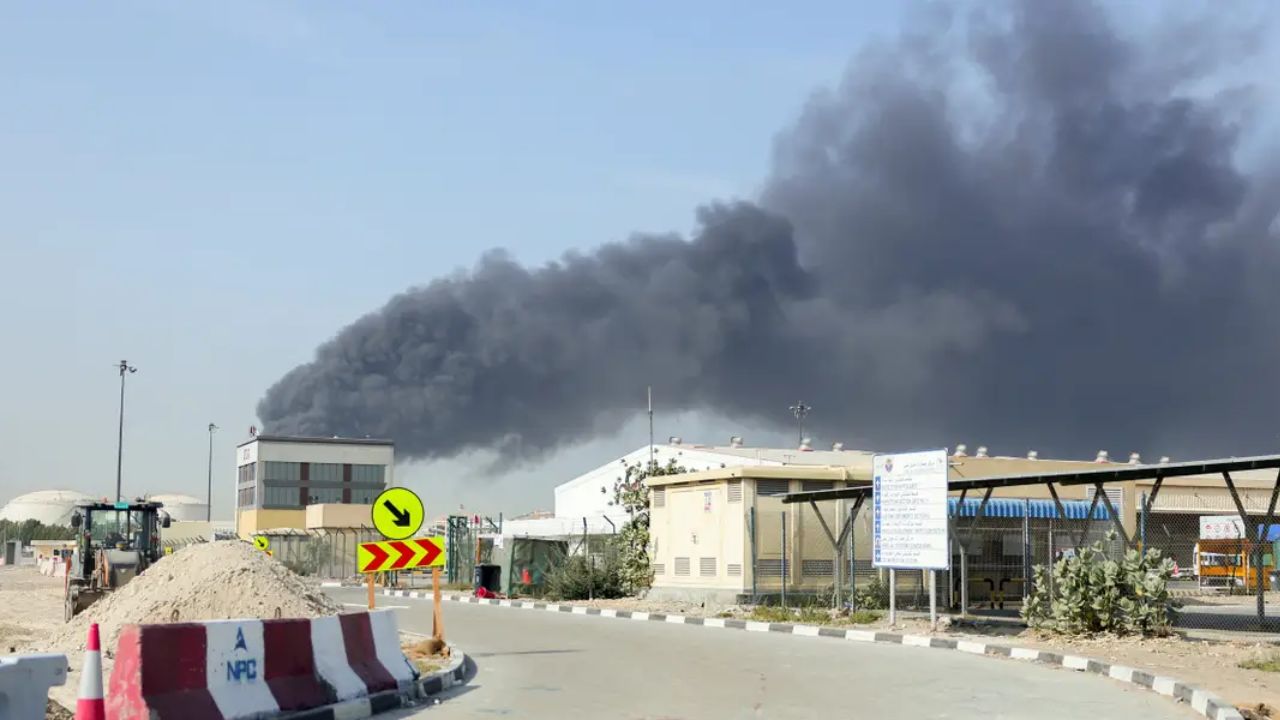
A sudden escalation in regional tensions has sent shockwaves across the global travel and tourism industry, as Bahrain and the United States join Qatar, the United Arab Emirates, Israel, Oman, and Saudi Arabia in responding to a major security incident involving critical infrastructure. Reports of targeted strikes near major data facilities in Bahrain have heightened concerns, triggering a wave of travel advisories, operational disruptions, and economic uncertainty across the Middle East.
The incident has not only intensified geopolitical tensions but also exposed vulnerabilities in the region’s interconnected systems—particularly those supporting aviation, tourism, and digital services.
Critical Infrastructure Targeted in Bahrain
The situation escalated after reports emerged of attempted or confirmed strikes targeting infrastructure linked to major global technology operations in Bahrain. Among the most concerning aspects is the proximity of these incidents to data centers that support cloud computing, logistics, and digital services used by industries worldwide.
These facilities are essential for everything from airline booking systems to financial transactions and tourism platforms. Any disruption, even temporary, can ripple across multiple sectors, affecting both regional operations and global networks.
Authorities in Bahrain have moved quickly to secure sensitive sites, while also increasing surveillance and defense measures to prevent further incidents.
United States and Regional Powers Respond
The United States has expressed strong concern over the developments, emphasizing the importance of protecting critical infrastructure and ensuring stability in the region. Coordination between the US and Gulf nations has intensified, focusing on security, intelligence sharing, and crisis management.
At the same time, countries including Qatar, the UAE, Saudi Arabia, Oman, and Israel have taken precautionary steps. These include heightened alert levels, reinforced security at key locations, and updated travel advisories for residents and visitors.
The unified response highlights the seriousness of the situation and the potential for broader implications if tensions continue to rise.
Immediate Impact on Travel and Tourism
The travel and tourism sector has been among the first to feel the effects of the crisis. The Middle East serves as a major global transit hub, with cities like Dubai, Doha, and Abu Dhabi connecting millions of passengers each year.
Following the incident, several airlines have reviewed their operations, with some reducing flight frequencies or adjusting routes to avoid high-risk areas. Travel advisories issued by multiple governments have also led to a surge in cancellations and postponements.
Tour operators are reporting a sharp decline in bookings, while hotels in key destinations are seeing increased cancellations as travelers reconsider their plans.
Business travel has also been affected, with companies delaying trips and shifting meetings to virtual platforms due to safety concerns.
Digital Disruptions Add to Industry Pressure
Beyond physical travel disruptions, the targeting of infrastructure has raised concerns about digital reliability. Many tourism services—such as online bookings, payment systems, and airline operations—depend heavily on cloud-based platforms.
Any instability in these systems can lead to:
- Delayed or failed flight bookings
- Payment processing issues
- Disruptions in hotel reservation systems
- Communication breakdowns between service providers
While major systems have continued to operate, the risk of interruptions has added another layer of uncertainty for travelers and businesses alike.
Airports and Airlines on High Alert
Airports across the Gulf region have increased security measures, including enhanced screening procedures and tighter access controls. Aviation authorities are working closely with airlines to ensure that safety protocols are strictly followed.
Despite these efforts, passengers may experience longer wait times and additional checks as part of heightened security procedures.
Airlines are advising travelers to arrive earlier than usual and to stay updated on any changes to their flight schedules.
Economic Ripple Effects Across the Region
The broader economic impact of the crisis is becoming increasingly evident. The Middle East’s tourism industry, which has seen strong growth in recent years, now faces a period of uncertainty.
Countries like the UAE and Saudi Arabia, which have invested heavily in tourism and international events, may see short-term setbacks as visitor confidence declines.
In addition, disruptions to digital infrastructure could affect sectors beyond tourism, including finance, logistics, and e-commerce.
The combined effect of these challenges underscores how closely linked modern economies are, particularly in regions that serve as global hubs.
Guidance for Travelers and Businesses
For those planning travel to or within the Middle East, caution is strongly advised.
Travelers should:
- Monitor official travel advisories from their government
- Stay in contact with airlines for real-time updates
- Keep essential documents and emergency contacts accessible
- Consider flexible booking options in case of sudden changes
Businesses operating in the region are also encouraged to review contingency plans, particularly those relying on digital infrastructure and international travel.
A Turning Point for Regional Stability
The targeting of critical infrastructure marks a significant escalation in the ongoing tensions, with implications that extend beyond immediate security concerns. It highlights the evolving nature of modern conflicts, where digital and physical systems are increasingly interconnected.
The response from Bahrain, the United States, and regional partners reflects a shared commitment to maintaining stability and protecting key assets. However, the situation remains fluid, and further developments could shape the trajectory of both regional security and global travel.
Looking Ahead
As the Middle East navigates this challenging period, the focus remains on safeguarding infrastructure, supporting affected industries, and ensuring the safety of residents and travelers.
While the travel and tourism sector has proven resilient in the past, the current crisis serves as a reminder of how quickly conditions can change.
For now, vigilance, adaptability, and international cooperation will be essential in managing the impact and restoring confidence in one of the world’s most important travel regions.