
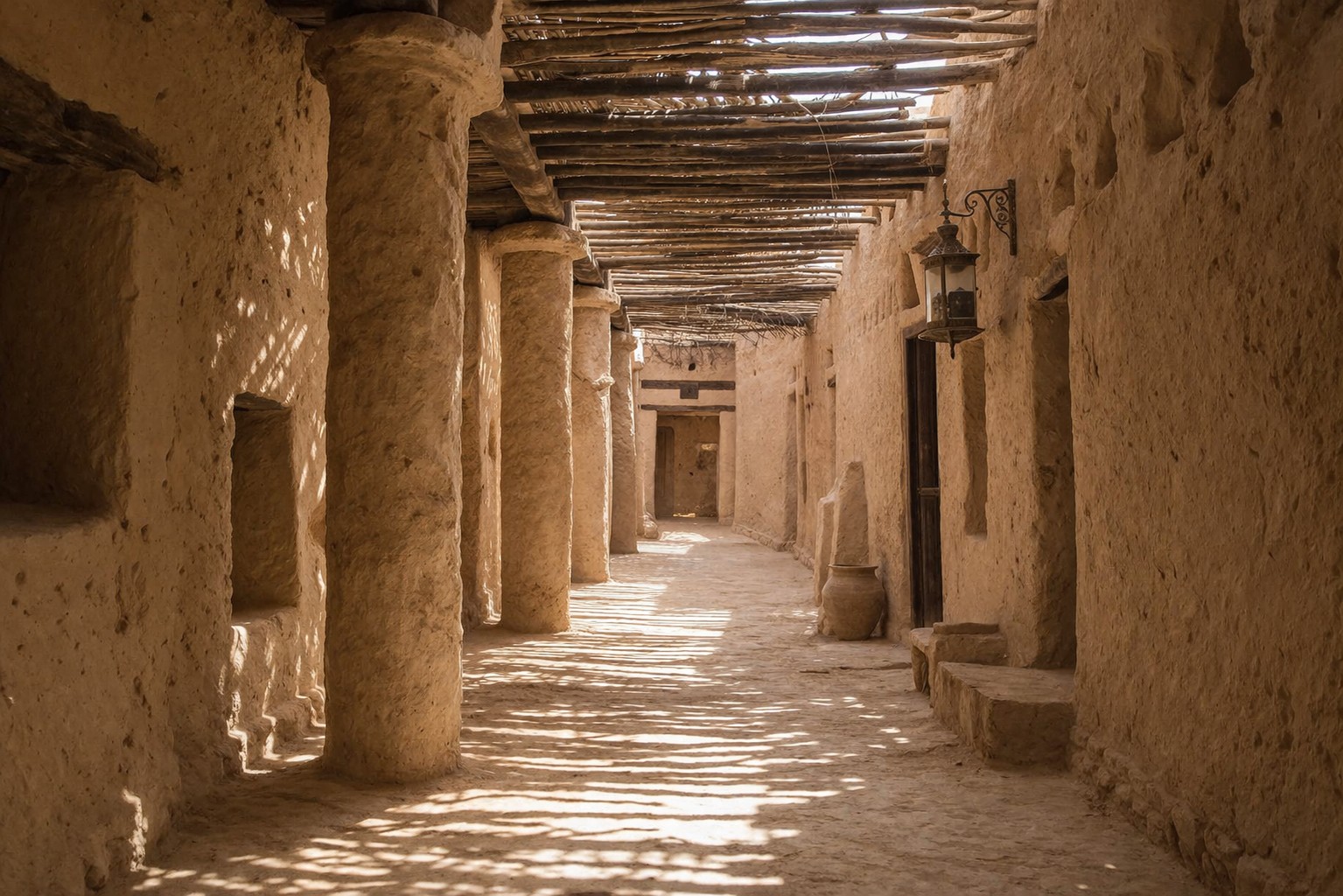
In the vast desert landscapes of northern Saudi Arabia, a remarkable architectural heritage is quietly reclaiming global attention. Known as the region’s mud palaces, these earth-built structures are being rediscovered under a growing movement that celebrates sustainability, tradition, and cultural identity. Framed by the theme “Echoes of the Earth,” these historic sites are emerging as powerful examples of how ancient practices can shape modern sustainable living.
As global travelers increasingly seek meaningful and responsible tourism experiences, these mud palaces offer a rare opportunity to connect with both history and environmental harmony.
Built from Nature, Designed for Climate
The mud palaces are constructed using simple, locally sourced materials such as clay, straw, and water. While the process may appear basic, the results are highly sophisticated. Thick earthen walls provide natural insulation, keeping interiors cool during intense desert heat and warm during cooler nights.
This passive climate control system eliminates the need for modern energy-intensive cooling methods. It reflects a deep understanding of the environment, developed over generations by communities who adapted their architecture to the harsh desert conditions.
Today, this approach is gaining renewed relevance as the world looks for sustainable alternatives in construction and urban design.
Architectural Identity and Cultural Expression
These structures are not only practical but also visually striking. The mud palaces feature geometric designs, detailed carvings, and strong, symmetrical forms that reflect the cultural identity of the region.
The earthy tones of the buildings blend seamlessly into the surrounding landscape, creating a natural visual continuity. Decorative elements around doors, windows, and facades often carry symbolic meaning, representing local traditions and social structures.
Each palace stands as a cultural statement, showcasing both artistic craftsmanship and functional design rooted in heritage.
Northern Regions Lead the Revival
Regions such as Al Jouf and Hail have become central to the preservation and revival of mud architecture in Saudi Arabia. These areas host some of the most well-preserved examples, drawing interest from historians, architects, and curious travelers.
Restoration efforts are being actively supported by local authorities and cultural initiatives. The goal is not only to conserve these structures but also to transform them into accessible heritage destinations.
As a result, northern Saudi Arabia is gradually positioning itself as a unique cultural tourism hub within the country.
Sustainable Tourism Takes Shape
The revival of mud palaces aligns closely with Saudi Arabia’s broader push toward sustainable tourism. By highlighting eco-friendly heritage sites, the country is creating a new travel narrative that blends authenticity with responsibility.
Visitors can now explore restored palaces through guided tours, cultural programs, and immersive experiences. Some of these historic buildings have even been adapted into boutique accommodations, allowing travelers to experience traditional living with modern comfort.
This model supports local communities while preserving architectural heritage, creating a balanced approach to tourism development.
Stories Embedded in Every Structure
Beyond their physical beauty, the mud palaces carry deep historical significance. These buildings once served as centers of daily life, hosting families, gatherings, and important social events.
Their layout often includes courtyards, storage spaces, and living quarters designed to support communal living. Walking through these spaces offers insight into traditional lifestyles, social organization, and regional customs.
For travelers, the experience goes beyond sightseeing—it becomes a journey into the living history of Saudi Arabia.
Preservation Challenges Remain
Despite growing recognition, preserving mud architecture presents ongoing challenges. Natural materials are vulnerable to erosion from wind and rain, requiring continuous maintenance and care.
Urban expansion and modernization also pose risks, as traditional structures may be replaced by contemporary developments. Maintaining a balance between progress and preservation is a critical concern for authorities and local communities.
However, increased awareness and investment are helping ensure that these historic sites continue to stand for future generations.
A Unique Experience for Modern Travelers
For those looking beyond conventional travel destinations, the mud palaces offer a distinctive and enriching experience. Visitors can explore ancient corridors, admire handcrafted details, and engage with local culture in an authentic setting.
The surrounding desert landscapes add to the sense of tranquility, providing a stark contrast to the fast-paced nature of modern cities. Whether for cultural exploration, photography, or personal reflection, these destinations offer something truly unique.
Global Relevance of Ancient Wisdom
In a time when sustainability is a global priority, the mud palaces of Saudi Arabia highlight the value of traditional knowledge. These structures demonstrate how natural materials and thoughtful design can create efficient, environmentally friendly spaces.
Architects and designers around the world are increasingly looking to such examples for inspiration. The principles behind mud construction—simplicity, efficiency, and harmony with nature—are becoming more relevant than ever.
A Sustainable Vision for the Future
Saudi Arabia’s efforts to preserve and promote its northern mud palaces reflect a forward-looking vision rooted in heritage. By embracing these structures as symbols of sustainability, the country is redefining how history can shape the future of travel and architecture.
As interest continues to grow, the “Echoes of the Earth” movement is set to elevate these mud palaces into globally recognized icons. They stand not only as reminders of the past but also as guiding examples for a more sustainable and culturally connected future.