
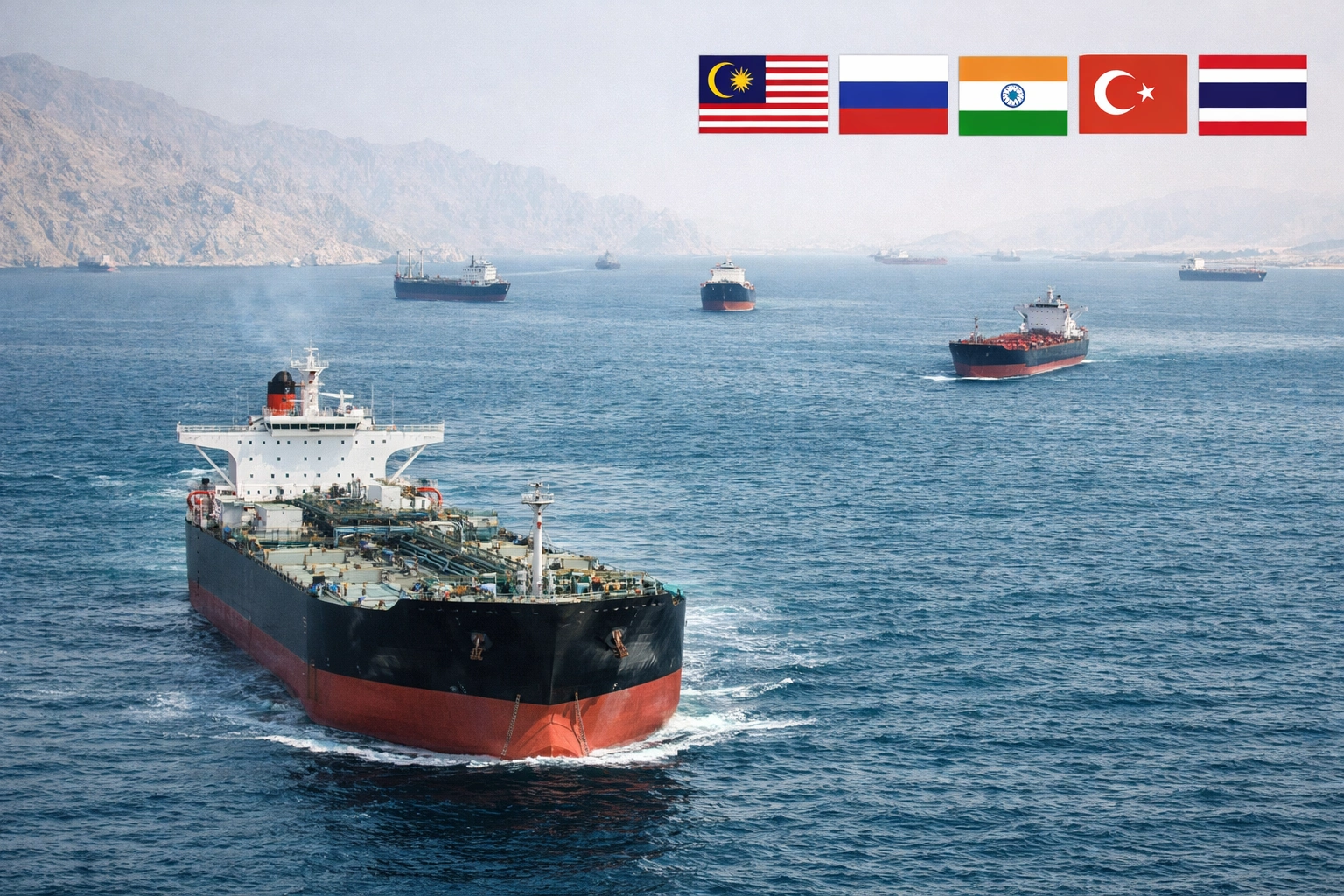
Global attention is once again focused on the Strait of Hormuz as shipping traffic through the critical oil chokepoint continues to increase despite mounting geopolitical tensions. Malaysia has now joined countries such as Russia, India, Turkey, China, and Thailand in maintaining strong trade and transit activity through the region, even as the ongoing conflict involving the US, Israel, and Iran raises concerns.
The Strait of Hormuz remains one of the world’s most strategically vital maritime routes, handling a significant portion of global oil shipments. Any disruption here has immediate consequences for energy markets, transportation costs, and global economic stability.
Trade Flows Continue Despite Risks
Despite fears of escalation, cargo movement through the Strait has not slowed significantly. Instead, several countries are doubling down on trade continuity to avoid supply chain shocks.
Malaysia’s participation reflects a broader trend among emerging and established economies that are prioritizing energy security and economic resilience. Nations such as India and China continue to rely heavily on oil imports passing through the Strait, making uninterrupted flow essential.
Russia and Turkey are also maintaining active trade routes, signaling confidence that the situation, while tense, remains manageable for now.
Tariffs and Tensions Add Complexity
Compounding the situation are tariff-related pressures that have added another layer of complexity to global trade. Increased shipping costs, insurance premiums, and risk surcharges are already affecting cargo operators navigating the region.
Shipping companies are factoring in geopolitical risks while balancing the economic necessity of keeping goods moving. This has led to higher freight rates and operational adjustments, which are gradually being passed on to consumers.
The interplay between tariffs and geopolitical tensions is creating a fragile environment where even minor disruptions could have amplified economic consequences.
Oil Prices Show Signs of Recovery
One of the most closely watched outcomes of the situation is its impact on oil prices. With traffic continuing through the Strait and supply chains remaining intact, markets are showing cautious optimism about a potential recovery in oil prices.
Stabilizing or rising oil prices could provide relief to energy-exporting nations while simultaneously influencing global inflation trends. However, the situation remains highly sensitive, and any escalation could quickly reverse gains.
Energy analysts suggest that the current balance between supply continuity and geopolitical risk is driving cautious confidence in the markets.
Impact on Airfares Emerging
The ripple effects of oil price movements are already being felt in the aviation sector. As fuel costs account for a major portion of airline expenses, any sustained increase in oil prices is likely to push airfares higher.
Airlines operating long-haul routes, particularly those connecting Asia, Europe, and the Middle East, may begin adjusting ticket prices to offset rising operational costs. This could impact both leisure and business travel in the coming months.
At the same time, increased demand as global travel rebounds is adding upward pressure on fares, creating a dual effect driven by both cost and demand factors.
Tourism Recovery Gains Momentum
Despite these challenges, the tourism sector is showing resilience. Countries such as Thailand, Malaysia, and Turkey are witnessing a steady return of international travelers, supported by relaxed visa policies and strong promotional efforts.
A moderate rise in oil prices could indirectly support tourism economies by stabilizing currencies and improving economic confidence in key markets. However, excessively high fuel costs could dampen travel demand if airfares rise too sharply.
For now, the outlook remains cautiously optimistic, with tourism recovery continuing alongside evolving global conditions.
Lifestyle Costs in Focus
Beyond travel and energy, everyday lifestyle costs are also coming under scrutiny. Rising transportation and logistics expenses are beginning to influence the prices of goods and services globally.
From groceries to consumer products, the cost of moving goods plays a critical role in final pricing. As shipping and fuel costs fluctuate, consumers may start to feel the impact in their daily expenses.
Governments and central banks are closely monitoring these trends to manage inflation and maintain economic stability.
Airlines and Shipping Adapt Strategies
Both airlines and shipping companies are actively adapting to the evolving situation. Airlines are optimizing routes, improving fuel efficiency, and adjusting capacity to manage rising costs.
Shipping firms, meanwhile, are enhancing risk assessment protocols and coordinating closely with international authorities to ensure safe passage through the Strait. Insurance providers are also recalibrating coverage terms based on current risk levels.
These strategic adjustments are helping maintain operational continuity while preparing for potential escalations.
Global Economy Navigates Uncertainty
The developments around the Strait of Hormuz highlight the interconnected nature of global trade, energy, and travel. Decisions made in one region are quickly felt across continents, affecting industries and consumers alike.
Malaysia’s alignment with major economies in sustaining trade activity reflects a broader commitment to economic stability, even amid uncertainty. This collective approach is playing a crucial role in preventing major disruptions.
Outlook: Balancing Risk and Opportunity
Looking ahead, the situation presents both challenges and opportunities. If stability is maintained, gradual oil price recovery could support economic growth, tourism revival, and improved market confidence.
However, the risks remain significant. Any escalation in the US, Israel, and Iran conflict could disrupt shipping routes, spike energy prices, and impact global mobility.
For now, the global system continues to adapt, balancing risk with resilience. Travelers, businesses, and governments alike are watching closely, adjusting strategies in real time as the situation unfolds.