
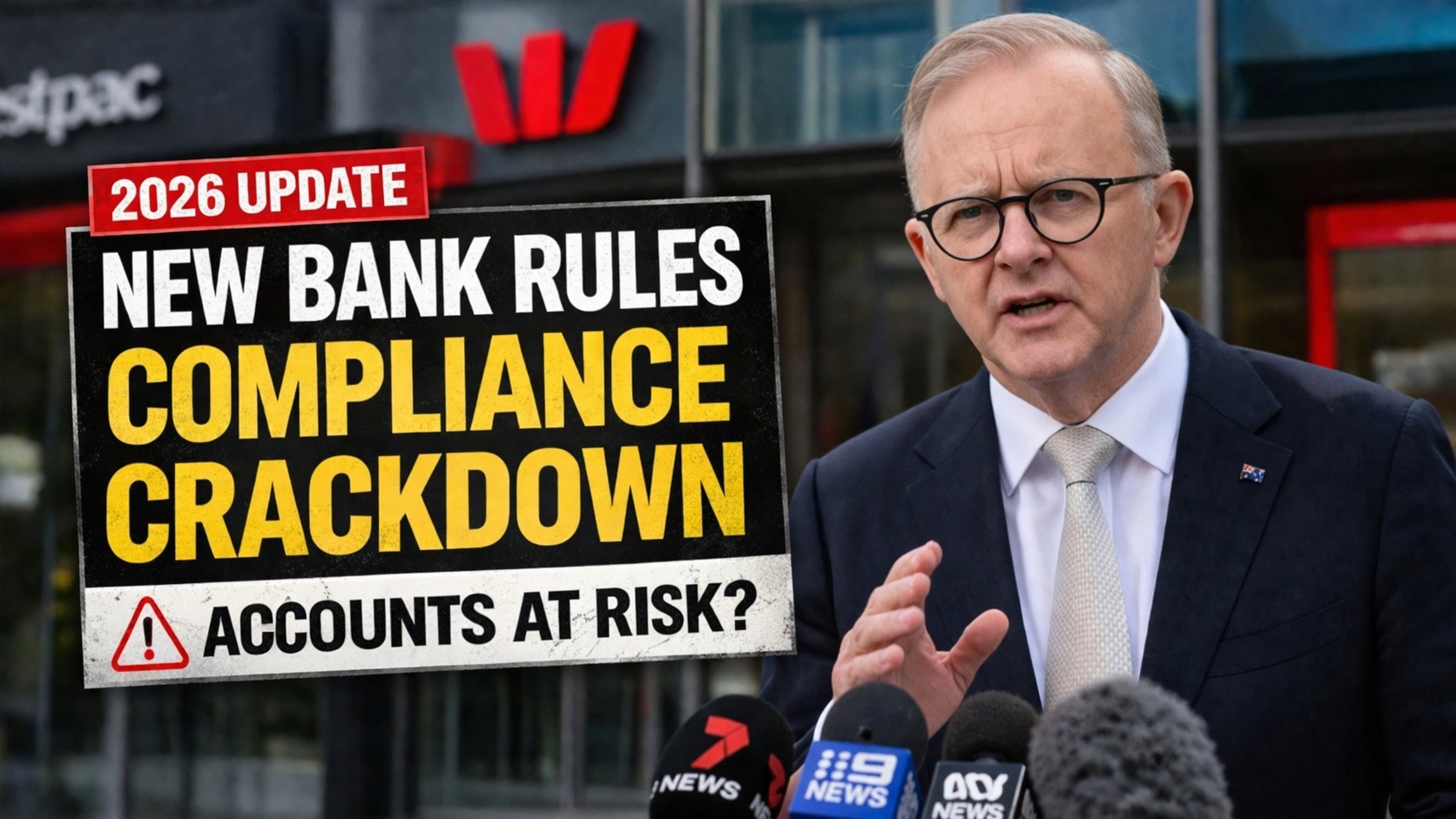
Australia’s banking sector is undergoing another major shift in 2026, with new compliance rules coming into force across the country. These changes are designed to strengthen financial security, improve transparency, and protect customers—but they may also affect how everyday banking works for millions of Australians.
From stricter identity checks to tighter monitoring of transactions, the updated rules are set to reshape the relationship between banks and their customers.
Why New Banking Rules Are Being Introduced
The latest compliance measures are part of a broader effort to combat financial crime, including fraud, scams, and money laundering. With digital banking on the rise, authorities are placing greater emphasis on protecting the financial system from misuse.
Cybercrime has become more sophisticated in recent years, with scammers targeting individuals through phone calls, emails, and online platforms. As a result, regulators are requiring banks to take stronger action in monitoring and preventing suspicious activity.
These changes are also aligned with global standards, ensuring that Australia’s financial system remains secure and internationally trusted.
Stronger Identity Verification
One of the most noticeable changes for customers is the introduction of stricter identity verification processes.
Opening a bank account, updating personal details, or making certain transactions may now require additional documentation. This could include multiple forms of identification or biometric verification in some cases.
While this may add an extra step, the goal is to reduce identity theft and unauthorized access to accounts.
For most customers, this means being prepared to provide more information when interacting with their bank—especially for larger transactions or account changes.
Increased Monitoring of Transactions
Banks are now required to monitor transactions more closely to detect unusual or suspicious activity.
This means that certain payments or transfers may be flagged for review, particularly if they fall outside normal patterns. In some cases, transactions may be delayed or temporarily blocked while checks are carried out.
Although this can be inconvenient, it is intended to prevent fraud and protect customers from financial loss.
Customers may also receive alerts or requests for confirmation when unusual activity is detected, adding an extra layer of security.
Changes to Cash and Large Transfers
The new compliance rules also place greater scrutiny on cash deposits and large financial transfers.
Banks may ask questions about the source of funds or the purpose of a transaction, especially for higher amounts. This is part of efforts to prevent money laundering and ensure transparency in financial activity.
For everyday transactions, most customers will not notice significant changes. However, those dealing with larger sums—such as property purchases or business transactions—may experience additional checks.
Being prepared to provide clear information can help avoid delays.
Impact on Everyday Banking
For the average Australian, the new rules may result in a slightly different banking experience.
Routine activities such as transferring money, withdrawing cash, or updating account details may involve additional verification steps.
While these changes may feel restrictive at times, they are designed to enhance overall security and reduce the risk of fraud.
Digital banking users may notice more frequent authentication requests, such as one-time passwords or app-based approvals.
How Seniors and Vulnerable Customers Are Affected
Older Australians and vulnerable groups may feel the impact of these changes more strongly.
Additional verification steps and digital security measures can be challenging for those who are less familiar with technology. At the same time, these groups are often the primary targets of scams, making enhanced protection particularly important.
Banks are expected to provide support services, including in-branch assistance and customer helplines, to help individuals navigate the new requirements.
Family members and caregivers can also play a role in helping seniors understand and adapt to these changes.
Benefits of the New Compliance Rules
Despite the adjustments required, the new rules offer several important benefits.
They help:
• Reduce fraud and scam-related losses
• Protect personal and financial information
• Strengthen trust in the banking system
• Improve detection of suspicious activity
In the long term, these measures aim to create a safer financial environment for all Australians.
Potential Challenges and Concerns
While the intent behind the rules is clear, some challenges remain.
Customers may experience delays in transactions or frustration with additional verification requirements. Businesses, particularly small enterprises, may also face increased administrative burdens.
Privacy concerns have also been raised, as more data is collected and monitored as part of compliance processes.
Balancing security with convenience and privacy will be an ongoing challenge for both banks and regulators.
What You Should Do Now
To adapt to the new compliance rules, customers can take a few simple steps.
Keeping identification documents up to date and easily accessible can help streamline verification processes.
Staying alert to bank communications is also important, as customers may receive notifications about flagged transactions or required actions.
Using secure banking methods, such as official apps and verified contact channels, can further reduce the risk of fraud.
For those unsure about any new requirements, contacting the bank directly is the best way to get accurate information.
Looking Ahead
The introduction of new compliance rules in 2026 marks another step in the evolution of Australia’s banking system.
As financial technology continues to advance, regulations will need to keep pace to address emerging risks and challenges.
While the changes may require some adjustment, they are ultimately aimed at protecting customers and maintaining the integrity of the financial system.