
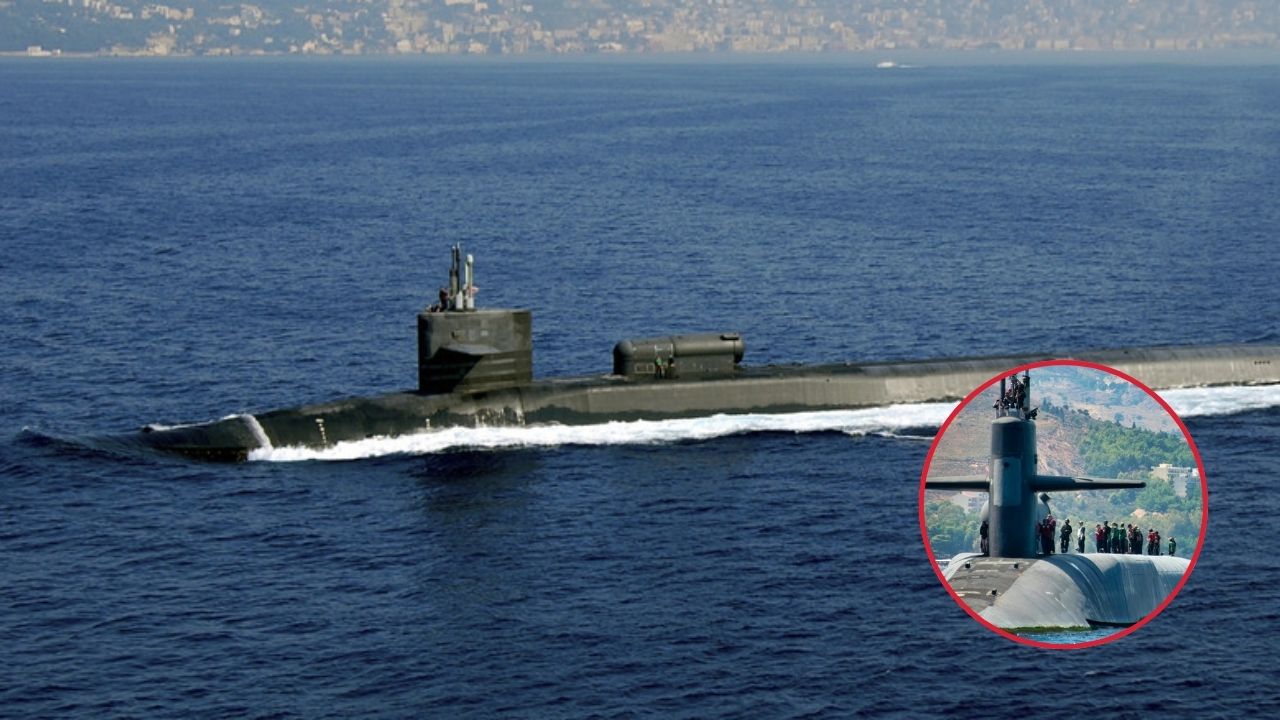
The United States Navy is moving forward with plans to begin retiring elements of its aging Ohio-class submarine fleet starting in 2028, marking a significant transition in the nation’s strategic nuclear deterrence program. The retirement effort is part of a broader modernization initiative designed to replace decades-old submarines with next-generation vessels capable of meeting future security challenges.
For more than four decades, Ohio-class submarines have served as a cornerstone of America’s military capabilities. Their planned retirement reflects both the age of the fleet and the Navy’s long-term strategy to maintain a credible and effective undersea force in an increasingly complex global security environment.
As the transition approaches, defense officials are focused on ensuring operational readiness while preparing for the introduction of a new generation of ballistic missile submarines.
A Historic Fleet Nears Retirement
The Ohio-class submarine program has played a central role in U.S. naval operations since the early 1980s. Designed during the Cold War, these submarines became one of the most important components of America’s nuclear triad, providing a survivable and highly capable deterrent force.
Over the years, the fleet has undergone numerous upgrades to extend service life and maintain operational effectiveness. However, even with modernization efforts, many of the submarines are approaching the limits of their intended operational lifespan.
As a result, the Navy has developed a phased retirement strategy that will gradually remove older vessels from service while introducing replacement platforms. The process is intended to ensure continuity in strategic capabilities without creating gaps in national defense.
Officials view the transition as a necessary step to sustain undersea dominance for future generations.
Focus on Fleet Modernization
The retirement plan is closely linked to the Navy’s broader modernization agenda. Military leaders have repeatedly emphasized the need to replace aging platforms with advanced systems designed to operate in evolving threat environments.
New submarine technologies offer improvements in stealth, survivability, communications, and operational efficiency. These advancements are expected to enhance mission effectiveness while reducing long-term maintenance requirements.
The modernization effort also reflects changing strategic priorities. Defense planners are increasingly focused on maintaining technological advantages in areas such as undersea warfare, missile defense, and strategic deterrence.
Replacing older submarines with more advanced platforms is considered essential for preserving these advantages in the years ahead.
Columbia-Class Takes Center Stage
The successor to the Ohio-class fleet is expected to be the Columbia-class ballistic missile submarine program. Designed as the future backbone of America’s sea-based nuclear deterrent, the Columbia-class represents one of the most significant defense acquisition projects currently underway.
These next-generation submarines are being developed to provide enhanced capabilities while operating more efficiently than their predecessors. They are expected to feature improved stealth technologies, modernized systems, and reactors designed to last throughout the vessel’s operational life without refueling.
Defense officials have described the Columbia-class program as a critical national security investment. The new submarines are intended to ensure that the United States maintains a reliable strategic deterrent well into the second half of the century.
As Ohio-class retirements begin, the successful deployment of Columbia-class submarines will become increasingly important.
Strategic Deterrence Remains Priority
While the retirement of older submarines marks a major transition, the Navy has emphasized that strategic deterrence remains a top priority.
Ballistic missile submarines are widely regarded as the most survivable component of the nuclear triad because they can operate undetected for extended periods. Their ability to remain hidden beneath the ocean surface provides a powerful deterrent against potential adversaries.
Military planners stress that maintaining a continuous at-sea deterrent capability is essential for national security. Consequently, retirement schedules and replacement timelines are being carefully coordinated to avoid disruptions.
The Navy’s objective is to ensure that the transition occurs smoothly while preserving operational readiness throughout the process.
Challenges of the Transition
Although the modernization effort promises significant benefits, the transition presents several challenges.
Building advanced submarines is a highly complex undertaking that requires specialized expertise, extensive testing, and substantial financial investment. Delays in production schedules could create pressure on existing vessels that must remain operational until replacements are available.
Budget considerations also remain a key factor. Large-scale defense programs often face scrutiny due to their cost, and lawmakers continue to monitor spending associated with submarine modernization initiatives.
In addition, maintaining a skilled workforce capable of supporting both retiring and incoming fleets remains a critical requirement. Shipyards, suppliers, and defense contractors all play important roles in ensuring the success of the transition.
Managing these factors effectively will be essential to achieving the Navy’s long-term objectives.
Global Security Considerations
The planned retirement of Ohio-class submarines comes at a time when geopolitical tensions continue to shape defense planning around the world.
Major military powers are investing heavily in naval modernization programs, including advanced submarines, missile systems, and maritime surveillance technologies. These developments have increased the importance of maintaining a strong and technologically advanced undersea force.
American defense officials argue that modernization efforts are necessary to address emerging challenges and preserve strategic stability. The ability to operate effectively in contested environments remains a key requirement for future naval operations.
As global competition intensifies, the role of submarine forces is expected to remain central to national security planning.
Preparing for the Future
The upcoming retirement of portions of the Ohio-class submarine fleet represents the end of an important chapter in U.S. naval history. For decades, these submarines have contributed to strategic deterrence and played a vital role in maintaining military readiness.
Their gradual retirement is not simply about replacing aging vessels. It is part of a broader effort to prepare the Navy for future security challenges and technological developments.
By transitioning to the Columbia-class program and other modernization initiatives, defense leaders aim to ensure that the United States retains a capable and effective undersea force for decades to come.
As 2028 approaches, attention will remain focused on the pace of submarine construction, fleet readiness, and the successful execution of one of the Navy’s most significant modernization efforts. The transition is expected to shape America’s strategic capabilities well into the future, reinforcing the importance of long-term planning in an increasingly competitive global environment.