
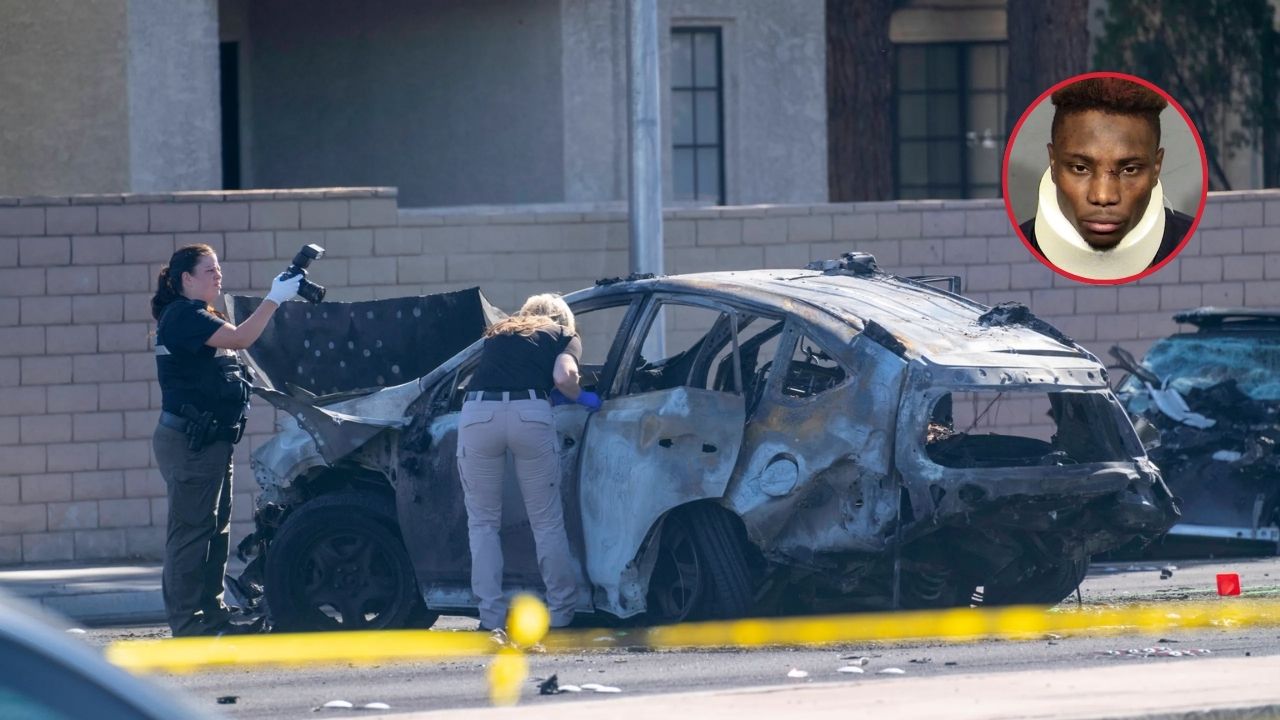
The tragic car crash involving former NFL wide receiver Henry Ruggs III remains one of the most devastating incidents involving a professional athlete in recent years. What began as a late-night drive through Las Vegas in November 2021 ended in a fatal collision that claimed the lives of 23-year-old Tina Tintor and her dog, Max, while permanently altering the course of Ruggs’ life and football career.
Nearly five years later, the case continues to draw public attention following a significant parole decision in June 2026. As new developments emerge, many people are revisiting the details of the crash, the legal consequences, and the lasting impact on everyone involved.
What Happened in the Henry Ruggs Crash?
The accident occurred during the early morning hours of November 2, 2021, in Las Vegas, Nevada.
At the time, Henry Ruggs III was a rising NFL star and a member of the Las Vegas Raiders. Investigators later determined that he was driving his Chevrolet Corvette Stingray at extremely high speeds through a residential area before the collision occurred.
According to evidence presented during the investigation, Ruggs was traveling as fast as 156 miles per hour shortly before impact.
The speed alone created a highly dangerous situation, but investigators later found that alcohol also played a significant role in the crash.
The collision became one of the most widely discussed traffic fatalities involving a professional athlete in recent memory.
The Fatal Collision
Moments before the crash, Ruggs attempted to slow down by applying his brakes.
However, the reduction in speed was not enough to prevent disaster.
Authorities determined that his vehicle struck the rear of a Toyota RAV4 driven by Tina Tintor at approximately 127 miles per hour.
The force of the collision was catastrophic.
The impact caused severe damage to Tintor’s vehicle and ruptured its fuel system. The SUV immediately caught fire, creating an intense blaze that rapidly engulfed the vehicle.
Witnesses reportedly rushed toward the scene in an effort to help.
Several people attempted to reach Tintor and rescue her from the burning vehicle, but the flames, smoke, and extreme heat made those efforts impossible.
Tintor and her golden retriever, Max, both died in the fire.
The tragedy shocked the Las Vegas community and quickly became national news.
Alcohol and Investigation Findings
The investigation that followed revealed additional details about the circumstances leading to the crash.
Authorities reported that Ruggs had consumed alcohol before getting behind the wheel. Investigators determined that he had been drinking at a Topgolf entertainment venue earlier in the evening.
Testing later showed that his blood-alcohol concentration was approximately 0.16 percent.
That figure was twice the legal limit for drivers in Nevada.
Combined with the extraordinary speed of the vehicle, prosecutors argued that the circumstances demonstrated reckless behavior that directly contributed to the fatal outcome.
The findings became central to the criminal case that followed.
End of an NFL Career
Before the crash, Ruggs was viewed as one of the NFL’s promising young talents.
Selected in the first round of the 2020 NFL Draft, he was expected to play a major role in the future of the Raiders franchise.
However, the accident immediately changed the trajectory of his career.
Within hours of the crash becoming public, the Raiders released Ruggs from the team.
The decision effectively ended his NFL career and shifted public attention away from football and toward the legal proceedings that would determine his future.
The case became a powerful example of how personal decisions can dramatically alter a professional athlete’s life.
The Guilty Plea
Rather than taking the case to trial, Ruggs ultimately reached a plea agreement with prosecutors.
In May 2023, he pleaded guilty to one felony count of driving under the influence resulting in death and one misdemeanor count of vehicular manslaughter.
The plea deal allowed both sides to avoid a lengthy courtroom trial while securing a conviction.
Throughout the legal process, the case continued to attract significant media coverage due to Ruggs’ status as a former professional athlete and the tragic loss of life involved.
The plea represented a major milestone in the case and paved the way for sentencing.
Prison Sentence
In August 2023, a Nevada judge formally sentenced Ruggs.
The court ordered him to serve a prison term ranging from three to ten years.
Following sentencing, Ruggs was transferred to the Northern Nevada Correctional Center to begin serving his sentence.
The punishment reflected the seriousness of the offenses while also accounting for the terms of the negotiated plea agreement.
The sentence marked the beginning of a lengthy period of incarceration that remains ongoing today.
June 2026 Parole Decision
The latest major development occurred on June 11, 2026.
During a hearing before the Nevada Board of Parole Commissioners, Ruggs sought early release through the parole process.
According to reports, he accepted responsibility for his actions and expressed remorse for the pain caused by the crash.
He reportedly spoke about the devastating consequences of the incident and acknowledged the loss experienced by Tina Tintor’s family.
Despite those statements, the parole board denied the request.
Commissioners determined that Ruggs would remain incarcerated rather than being released early.
The decision means he must continue serving his sentence at the correctional facility.
What Happens Next?
Following the parole denial, Ruggs will not be eligible to seek parole again until shortly before his mandatory release date.
Current records indicate that date is scheduled for August 24, 2027.
Until then, he is expected to remain in custody.
Meanwhile, the case continues to be remembered not only because of Ruggs’ former football career but also because of the tragic loss of Tina Tintor and her dog, Max.
For many observers, the incident serves as a sobering reminder of the dangers of impaired and reckless driving.
Years later, the crash remains one of the most tragic and consequential events involving an active professional athlete, leaving a lasting impact on families, communities, and the broader conversation surrounding road safety and personal responsibility.