
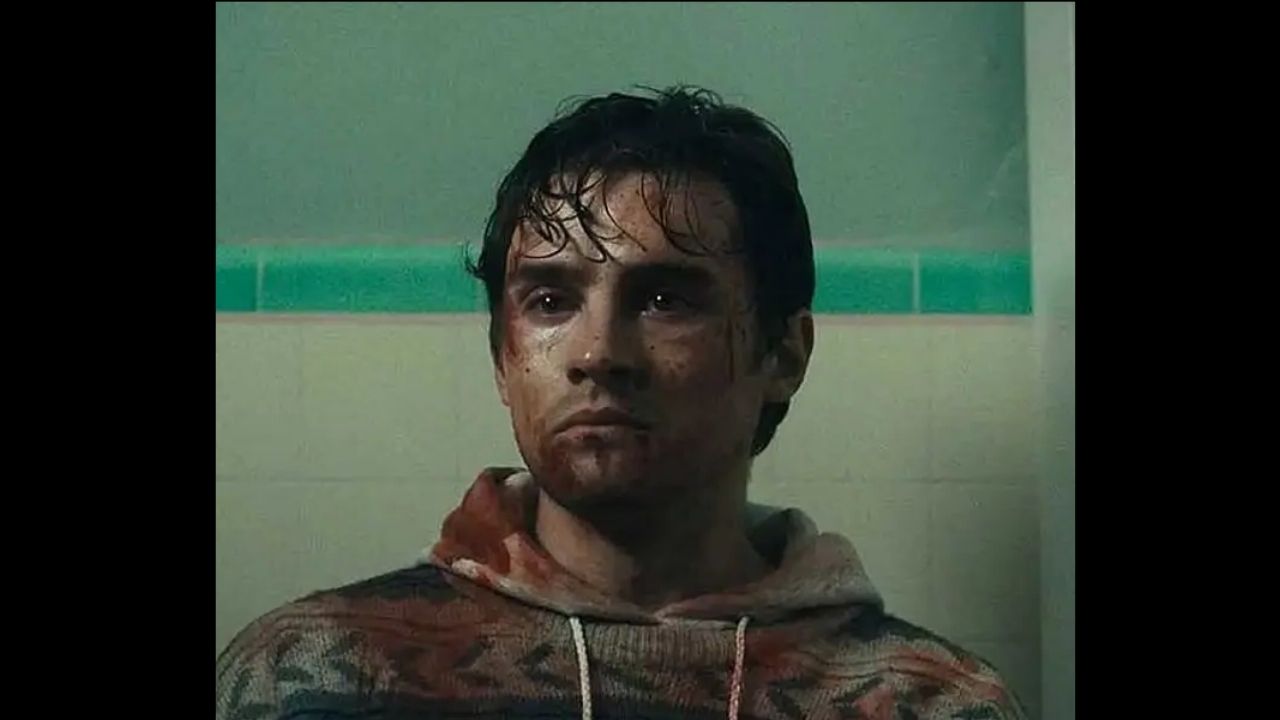
Independent horror films rarely become major commercial stories, but Obsession has managed to do exactly that. Following a successful theatrical run and its digital release through Focus Features, the film has continued attracting audiences while earning praise for its suspense, performances and creative storytelling.
Actor Michael Johnston, who plays the lead character Bear, recently reflected on the experience of making the film and watching it exceed expectations. Speaking about its growing popularity, he admitted that seeing audiences embrace a project made with close friends still feels unreal.
For Johnston, the greatest reward has not simply been the film’s commercial performance but hearing viewers connect emotionally with the story and characters.
Built by Friends
Johnston described the production as one driven by passion rather than scale.
Unlike many major studio productions, Obsession was created by a relatively young cast and crew who approached the project with determination and confidence. Everyone involved believed they were working on something unique, even if no one expected the film to become such a widely discussed success.
He explained that the atmosphere on set encouraged collaboration, with every department contributing ideas while sharing the goal of making the strongest film possible.
That sense of teamwork, Johnston believes, became one of the project’s greatest strengths.
Director’s Vision
Much of the praise surrounding Obsession has focused on director Curry Barker and his detailed preparation before filming even began.
According to Johnston, Barker arrived on set with an exceptionally clear understanding of every scene.
Rather than relying only on traditional storyboards, the filmmaker reportedly used advanced three-dimensional modeling software commonly associated with video game development.
This allowed him to recreate filming locations digitally, place virtual characters inside each room and experiment with camera angles before production started.
The process effectively enabled Barker to visualize editing decisions months before the cameras rolled.
Planning Every Shot
Johnston said Barker’s preparation often surprised the cast.
Because the director already knew exactly where each scene would transition during editing, actors sometimes rehearsed only portions of conversations instead of performing lengthy continuous sequences.
Although the approach initially felt unusual, Johnston explained that it quickly became clear Barker had carefully mapped every movement throughout the film.
That level of planning reduced uncertainty during filming and allowed the production team to focus more on performance and visual storytelling.
The actor credited this preparation with helping the film maintain its distinctive pace and tension.
Memorable Moments
Despite the detailed planning, some scenes still produced completely genuine reactions.
Johnston recalled one early sequence inside Bear’s house involving co-star Inde Navarrette.
During rehearsals, he repeatedly asked her to reveal a key expression that would appear later in the scene.
Navarrette refused, choosing instead to save the performance for the cameras.
When filming finally began, Johnston admitted the unexpected expression startled him so much that he laughed instinctively and spoiled the take.
Although unintended, the moment demonstrated how effectively the actors remained committed to preserving the emotional impact of key scenes.
Understanding Bear
Johnston also discussed the psychology behind his character.
He explained that Bear’s emotional journey is defined less by obvious fear than by avoidance.
One particular scene involving the loss of his pet illustrates how the character struggles to confront painful emotions directly.
Rather than openly processing grief, Bear attempts to distract himself by continuing with ordinary routines and social interactions.
According to Johnston, loneliness becomes one of the character’s defining emotional themes throughout the story.
He believes Bear repeatedly chooses emotional distance instead of confronting difficult realities, making his personal journey just as important as the horror elements surrounding him.
More Than Frights
Although Obsession contains many traditional horror moments, Johnston believes its emotional foundation separates it from many films within the genre.
Rather than relying exclusively on jump scares or visual effects, the story explores isolation, vulnerability and the consequences of avoiding emotional pain.
These deeper themes allow audiences to connect with the characters before the suspense intensifies.
Johnston suggested that this emotional investment helps make the frightening moments more effective because viewers understand what the characters stand to lose.
Digital Release
With the film now available digitally through Focus Features, Obsession is reaching audiences beyond its theatrical release.
Digital distribution allows viewers who missed the cinema run to experience the film at home while introducing the project to international audiences.
Independent horror films often find a second wave of popularity after moving to streaming and digital platforms, where strong word-of-mouth recommendations continue attracting new viewers.
Given the enthusiastic response already received, many industry observers expect Obsession to remain one of this year’s standout independent horror releases.
Creative Confidence
Johnston believes the film’s success reflects the confidence displayed by its young creative team.
Instead of trying to imitate larger productions, the filmmakers focused on telling their own story using careful preparation, committed performances and practical filmmaking techniques.
That commitment to originality helped distinguish Obsession from many other independent horror releases.
The actor said everyone involved treated the production as an opportunity to prove themselves, creating an atmosphere where every scene mattered.
Looking Ahead
As Obsession continues expanding its audience through digital platforms, Michael Johnston remains grateful for the unexpected journey the film has taken.
What began as a modest independent production has developed into one of the year’s most talked-about horror titles, earning recognition for both its performances and inventive filmmaking.
Johnston’s reflections also highlight the value of preparation, collaboration and creative ambition in independent cinema. Combined with Curry Barker’s meticulous direction and a cast willing to fully embrace demanding performances, those qualities helped transform a small horror project into a film that continues to resonate with audiences long after its theatrical debut.