
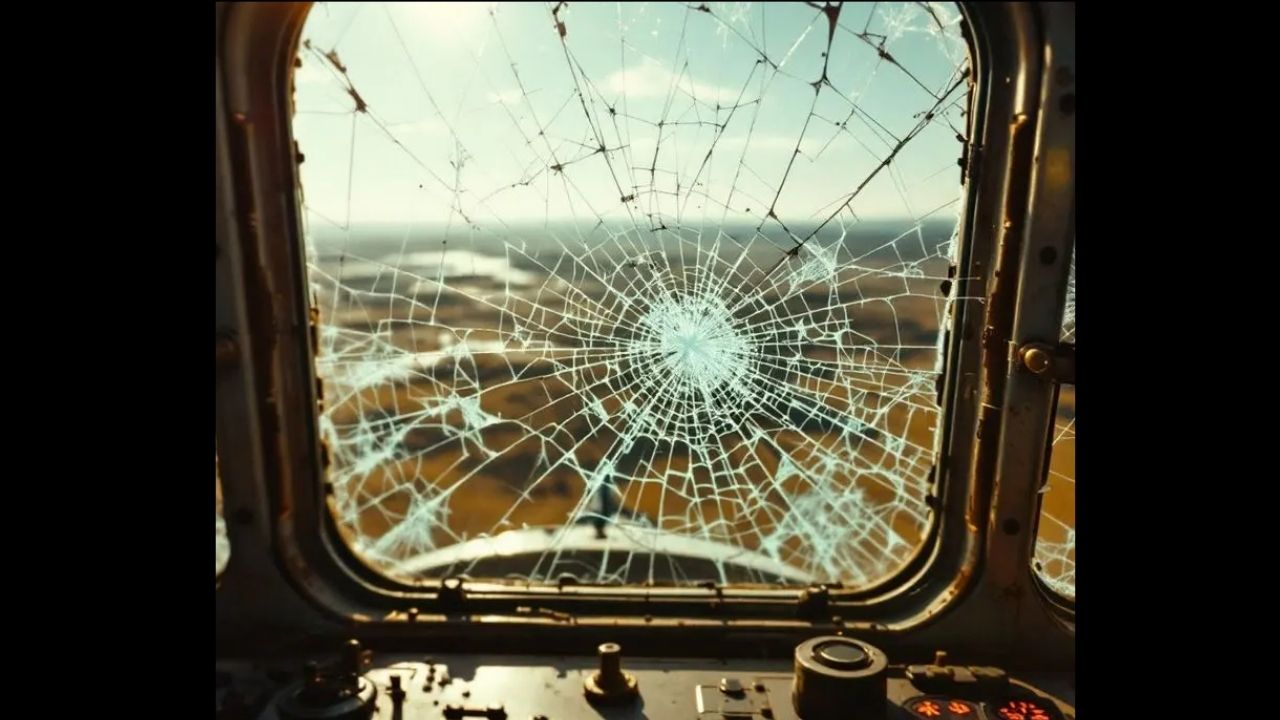
A Ryanair flight traveling from Thessaloniki, Greece, to Memmingen, Germany, was forced to return shortly after takeoff on July 10, 2026, after a passenger window became dislodged during flight, causing a rapid cabin decompression.
The aircraft landed safely back at Thessaloniki Airport, where emergency responders and airport personnel assisted passengers. Ryanair confirmed that one passenger received medical attention on the ground, while the remaining travelers were later accommodated on a replacement aircraft to continue their journey.
Although the flight concluded safely, aviation authorities have begun a detailed investigation to determine exactly what caused the incident.
Aircraft Under Review
The aircraft involved was a Boeing 737 Next Generation (737 NG) operated by Ryanair subsidiary Malta Air.
Following the emergency landing, the aircraft was removed from service and positioned for technical examination.
Engineers and investigators are expected to inspect the affected cabin window, surrounding fuselage, pressurization systems and other structural components before the aircraft is cleared to fly again.
Such inspections are standard procedure whenever an aircraft experiences an unexpected pressurization event.
Second Diversion Raises Questions
Flight tracking data indicates that the same aircraft had experienced another operational disruption less than a day earlier.
According to publicly available tracking information, the jet returned to Thessaloniki during a scheduled flight to Sarajevo on Thursday evening for reasons that have not yet been publicly explained.
At this stage, investigators have not stated whether the earlier diversion is connected to Friday’s emergency.
One of the objectives of the investigation will likely be determining whether the two events were entirely unrelated or whether they shared any common technical or operational factors.
Until official findings are released, no connection between the incidents has been confirmed.
Cabin Decompression
According to Ryanair, the aircraft returned after a passenger window became dislodged during flight.
When cabin pressure changes suddenly, pilots follow established emergency procedures that include descending to a lower altitude where breathable air is naturally available.
Passengers reported hearing a loud noise shortly before oxygen masks automatically deployed throughout the cabin.
The crew then initiated the return to Thessaloniki while continuing emergency procedures designed for rapid decompression events.
The aircraft completed a controlled landing without further reported complications.
Reports About Engine Debris
Some local media reports and aviation industry sources suggested that a detached piece of the aircraft’s engine may have struck the passenger window, leading to the structural failure.
However, aviation authorities have not confirmed that explanation.
Investigators will examine the aircraft carefully before determining whether engine components, structural damage, maintenance issues or another factor caused the window failure.
Officials have urged the public not to draw conclusions until technical examinations are complete.
The final investigation report will establish the confirmed sequence of events based on physical evidence and recorded flight data.
Passenger Response
Passengers described a frightening experience as the emergency unfolded.
Witnesses reported hearing a loud bang followed almost immediately by the deployment of oxygen masks.
According to local reports, one passenger seated next to the affected window sustained injuries during the decompression and received treatment after the aircraft landed.
Despite the sudden emergency, many travelers praised the professionalism of the cabin crew, who provided instructions while the pilots safely returned the aircraft to the airport.
Their response helped maintain order during a stressful situation.
Ryanair Statement
Ryanair confirmed that the aircraft returned to Thessaloniki shortly after departure following the inflight window problem.
The airline stated that the aircraft landed normally and that passengers safely returned to the terminal.
It also confirmed that one passenger requested medical assistance after landing and received treatment from emergency personnel.
To minimize disruption, the airline arranged another aircraft, allowing passengers to continue their journey to Memmingen later that morning.
Ryanair has not commented further regarding the possible technical cause while the investigation remains active.
Investigation Continues
Aviation investigators have begun collecting evidence from the aircraft and interviewing those involved.
The review is expected to include inspections of maintenance records, engineering logs, operational history and aircraft systems.
Investigators will also examine data stored in the cockpit voice recorder and flight data recorder, which provide detailed information about aircraft performance and crew actions throughout the flight.
These records often play a critical role in identifying the factors that contributed to aviation incidents.
Social Media Footage
Videos circulating on social media appear to show oxygen masks hanging from the cabin ceiling and damage near one of the passenger windows.
While the footage has attracted considerable public attention, investigators typically rely on verified evidence collected directly from the aircraft rather than unofficial recordings shared online.
Authorities have indicated that every available source of information will be reviewed, but conclusions will be based on technical findings rather than speculation.
The aircraft is expected to remain grounded while engineers complete their examination and investigators continue gathering evidence.
Officials will determine whether the incident resulted from mechanical failure, structural damage, maintenance concerns or another contributing factor.
The earlier diversion involving the same aircraft is also expected to receive careful scrutiny as part of the broader review.
Although the emergency created understandable concern among passengers, the safe landing demonstrated the effectiveness of established aviation safety procedures and crew training. Once investigators complete their work, their findings may lead to recommendations aimed at strengthening aircraft inspections, maintenance practices and operational procedures, helping reduce the likelihood of similar incidents in the future.