
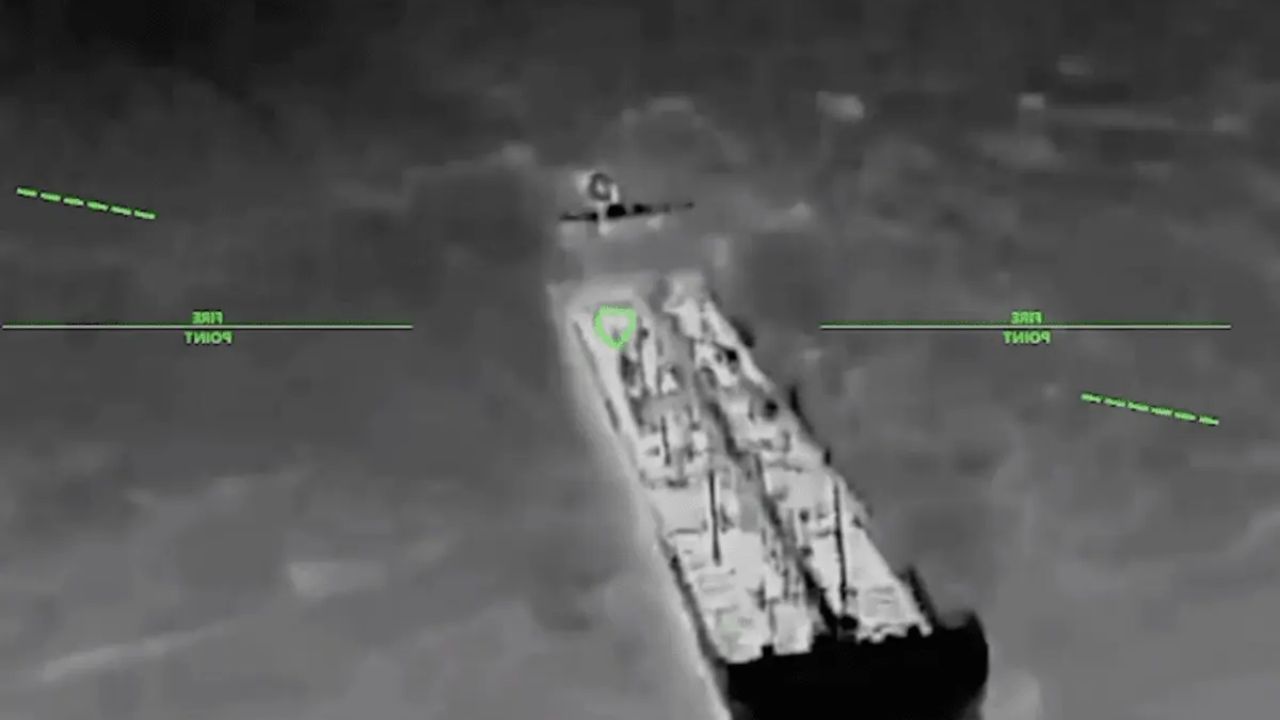
Ukraine says it carried out one of its largest long-range drone operations of 2026, targeting dozens of military and energy-related sites deep inside Russian-controlled territory. According to Ukrainian military officials, the overnight campaign on July 6 reached strategic facilities thousands of kilometers from the front line, including Russia’s largest oil refinery in Omsk and multiple military installations across several regions.
Russian officials acknowledged that drone attacks occurred in some of the affected areas, including Omsk, but provided limited information about the overall impact. As is common during the conflict, many battlefield claims from both sides could not be independently verified at the time of reporting.
The operation highlights the growing role of long-range drones in shaping the conflict, with infrastructure and logistics increasingly becoming primary targets.
Large-Scale Operation
According to Ukraine’s General Staff, the overnight mission involved strikes against 47 military-related targets.
Officials said the operation focused on disrupting logistics, fuel supplies, air defense systems, and infrastructure supporting Russian military operations. The attacks reportedly stretched across several regions, demonstrating Ukraine’s expanding ability to conduct long-range drone missions.
Military planners have increasingly relied on unmanned aerial systems to reach locations far beyond the traditional battlefield, allowing Ukraine to challenge strategic assets located deep inside Russia and Russian-controlled territory.
Omsk Refinery Targeted
One of the most significant reported targets was the Omsk oil refinery, operated by Gazprom Neft.
Located roughly 2,700 kilometers from Ukrainian-controlled territory near the Kazakhstan border, the refinery is considered one of Russia’s largest fuel-processing facilities. Industry data indicates the plant processes around 23 million metric tons of crude oil annually, making it a key component of the country’s energy infrastructure.
Ukraine stated that the facility caught fire following the drone strike.
Omsk Governor Vitaly Khotsenko confirmed that drones targeted the region and said emergency services responded quickly. He also stated that Russian air defenses intercepted most of the incoming drones and reported no casualties. However, officials did not provide a detailed assessment of any damage sustained by the refinery.
Multiple Regions Affected
Beyond Omsk, Ukrainian officials said additional operations targeted sites in the Kaluga and Yaroslavl regions.
Russian authorities also reported drone activity near the Baltic Sea ports of Ust-Luga and Vysotsk, both of which play important roles in Russia’s export infrastructure.
The broad geographic reach of the reported attacks illustrates Ukraine’s continued emphasis on extending operations far beyond frontline combat zones.
Military analysts have noted that such strikes are intended to force Russia to spread air defense resources across a much wider area.
Crimea Remains a Focus
Ukraine also reported strikes against fuel infrastructure in occupied Crimea.
According to Ukrainian military statements, drone operators targeted an oil storage facility in Kerch, describing it as an important logistics center supplying Russian forces stationed on the peninsula.
Russian-installed authorities separately reported an incident in Kerch and acknowledged disruptions in the region. Officials in Sevastopol also reported a widespread power outage following overnight attacks, though the exact cause and extent of the disruption were not fully detailed.
Crimea has remained a recurring focus of long-range Ukrainian operations because of its strategic military significance.
Military Equipment Targeted
According to Ukraine, the operation extended beyond fuel infrastructure.
Officials said drone strikes also targeted a Nebo-U radar system, along with two launchers belonging to Russia’s S-400 Triumf long-range air defense system.
Ukraine claimed one launcher was struck while deployed in Bryansk, while another was reportedly hit inside a protective shelter in Crimea.
If confirmed, such attacks would represent efforts to weaken Russia’s integrated air defense network while improving conditions for future long-range operations.
Independent verification of these specific claims has not yet been established.
Fuel Supply Pressure
Ukraine additionally stated that two fuel tankers operating in the Sea of Azov were targeted during the overnight mission.
Military officials described the vessels as transporting approximately 14,000 tonnes of gasoline from Taganrog toward Crimea.
According to Ukraine, interrupting maritime fuel deliveries forms part of a broader strategy aimed at reducing logistical support available to Russian forces.
Modern military operations depend heavily on stable fuel supplies, making transportation networks increasingly important objectives.
Drone Warfare Expands
Drone technology has become one of Ukraine’s most significant military capabilities.
Officials say unmanned systems are now regularly employed against command centers, artillery positions, electronic warfare equipment, logistics hubs, and transportation infrastructure.
Ukraine’s Ministry of Digital Transformation has repeatedly emphasized the growing importance of domestically produced drone systems capable of operating across long distances with increasing precision.
These technologies continue changing the character of the conflict by allowing strikes against strategic objectives located far from active combat zones.
Looking Ahead
The latest reported drone campaign reflects Ukraine’s continuing focus on disrupting infrastructure and military logistics rather than relying solely on direct battlefield engagements. While Ukrainian officials described the operation as a significant success, Russian authorities have released only limited information regarding the overall impact, and many claims from both sides remain independently unverified.
As long-range drone capabilities continue evolving, operations targeting refineries, transportation hubs, air defense systems, and fuel infrastructure are likely to remain central elements of the conflict. The coming days may provide additional assessments of the reported strikes and offer greater clarity regarding their operational significance as both Ukraine and Russia continue adapting their military strategies.