
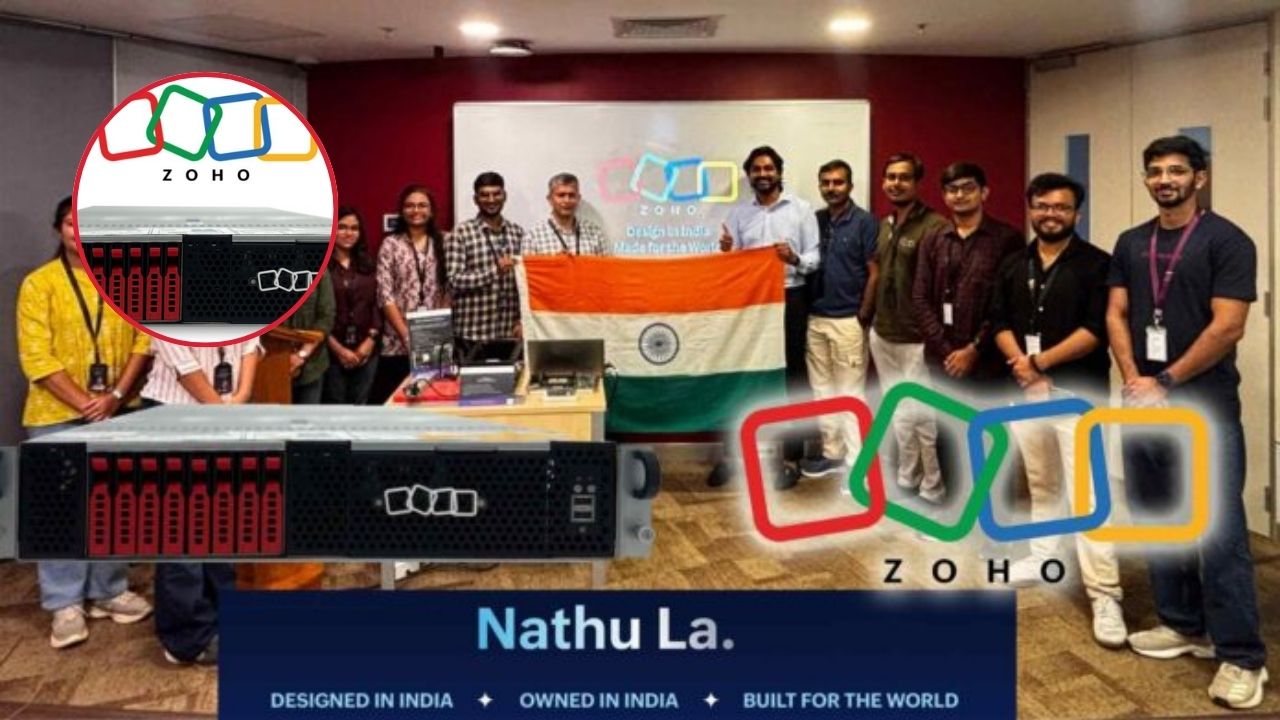
India’s enterprise technology landscape is witnessing a shift as companies move beyond software into full-stack infrastructure. In a notable development, Zoho has introduced its first in-house hardware platform named “Nathu La,” marking its entry into server design and manufacturing. The move reflects a broader ambition to reduce dependence on external cloud and hardware ecosystems while optimizing the rising cost of AI-driven computing.
Announced in mid-2026, the platform signals a strategic pivot toward vertically integrated infrastructure designed specifically for modern workloads such as AI inference, virtualization, and high-performance computing.
What Nathu La Server Platform Represents
The Nathu La server is positioned as an internally developed infrastructure backbone rather than a commercial product. It is designed to support Zoho’s global application ecosystem and handle large-scale computing demands across distributed data centers.
The name “Nathu La,” inspired by a Himalayan mountain pass, reflects durability, stability, and high-altitude resilience. This symbolic naming also aligns with the company’s intent to build long-term, self-reliant infrastructure systems capable of operating at global scale without external dependency.
Unlike traditional server offerings that are sold to enterprises, this platform is intended exclusively for internal deployment across Zoho’s data center network.
Hardware Architecture and Processing Power
At the core of the Nathu La system lies collaboration with Intel, integrating the latest generation server-grade processors. The platform is powered by Intel Xeon 6 processors, which are optimized for dense workloads, energy efficiency, and parallel processing tasks.
The architecture is tailored for mixed workloads, including:
- Virtual machine hosting for enterprise applications
- High-performance computing tasks
- Large-scale data storage operations
- AI inference workloads requiring low-latency processing
The design emphasizes balance between compute density and power efficiency, enabling higher throughput without proportionally increasing energy consumption.
Performance Efficiency and Cost Optimization
One of the key engineering goals behind the Nathu La platform is reducing infrastructure overhead associated with AI and cloud computing.
According to internal benchmarks shared by Zoho, the server platform is expected to:
- Deliver comparable performance to mainstream enterprise servers
- Reduce energy consumption by approximately 12% to 18%
- Lower total cost of ownership by nearly 20% to 30%
These improvements are achieved through hardware-level optimization, customized power delivery systems, and tightly controlled system integration between compute, memory, and storage components.
Such efficiency gains are particularly significant in AI inference environments, where sustained workloads often lead to high operational costs and increased thermal output.
Built in India: R&D and Engineering Approach
A defining feature of the project is its development location and talent strategy. The entire platform was engineered at Zoho’s research facility in Nagpur, rather than traditional technology hubs like Bengaluru or Chennai.
The engineering workforce behind the project primarily consists of early-career graduates trained under Zoho’s SETU (Student Engagement for Transformative Upskilling) initiative. This program focuses on recruiting students from tier-2 and tier-3 engineering institutions and providing structured training in system design, hardware engineering, and production-grade computing systems.
This approach reflects a long-term investment in decentralized talent development while building deep technical expertise within India’s emerging engineering ecosystem.
Sovereign Infrastructure Strategy
Unlike conventional hardware ventures, Nathu La is not intended for market sale or external distribution. Instead, it serves as a foundational component in Zoho’s strategy to build a fully integrated and sovereign technology stack.
The company plans to deploy several hundred units initially, scaling to thousands of servers across its global data centers. These systems will support applications used by a large international user base, ensuring greater control over performance, security, and cost efficiency.
This internal-first deployment model allows Zoho to fine-tune hardware and software integration without relying on third-party infrastructure providers, thereby improving predictability and operational independence.
Industry Impact and Competitive Positioning
The introduction of a proprietary server platform places Zoho among a small group of software companies attempting to vertically integrate into hardware design. This shift reflects a growing trend in the AI era, where infrastructure ownership is becoming a competitive advantage.
By reducing dependency on external cloud providers, Zoho gains tighter control over latency-sensitive applications and large-scale AI inference workloads. Additionally, the cost efficiency gains could allow the company to scale services more sustainably as demand for compute-intensive applications increases.
The move also signals increasing maturity in India’s enterprise technology ecosystem, where software companies are beginning to explore full-stack infrastructure capabilities.
As AI workloads continue to grow in complexity and scale, demand for optimized and cost-efficient infrastructure is expected to rise significantly. Platforms like Nathu La represent an early attempt to address these challenges through vertically integrated design rather than incremental optimization of existing systems.
If successfully scaled, this approach could influence how enterprise software companies globally think about infrastructure ownership and AI compute strategy. It also highlights the potential for India-based engineering teams to contribute not just to software innovation, but to core hardware development as well.