
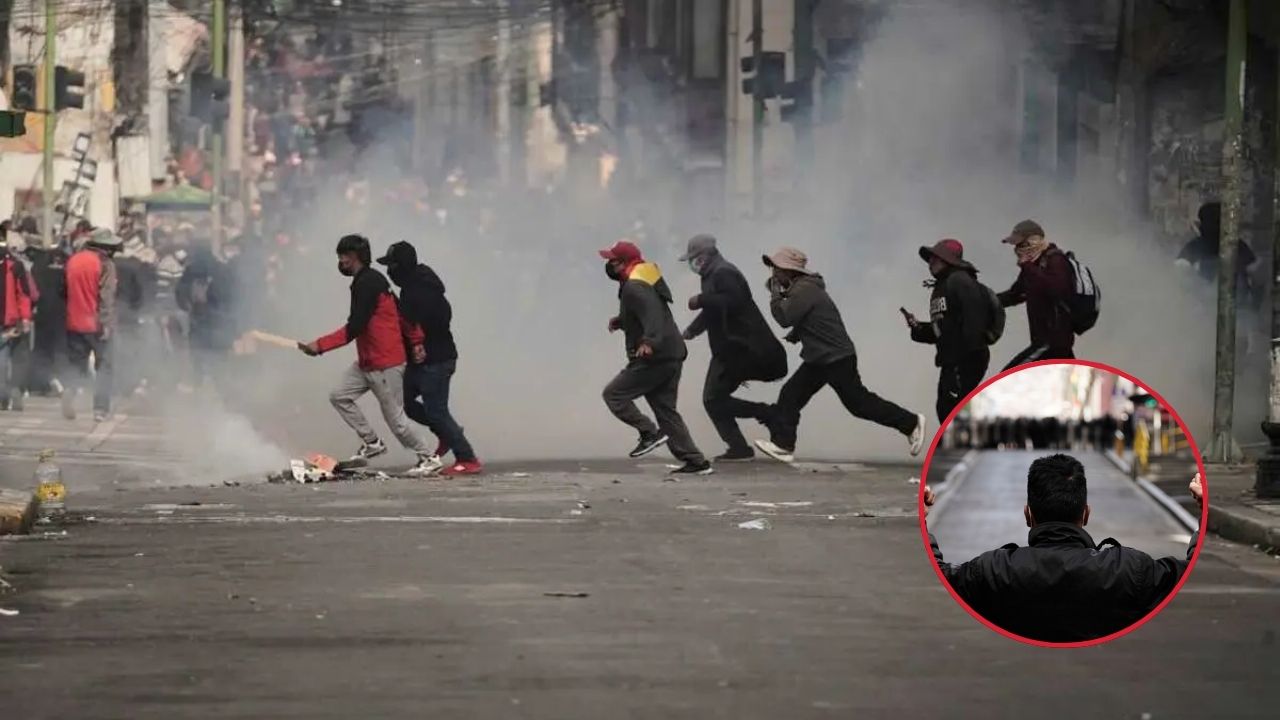
Large-scale protests in Bolivia have intensified nationwide tensions after demonstrators blocked major roads, disrupted transportation routes, and forced temporary bank closures in the capital city. The unrest has created growing concern over economic instability, political divisions, and the impact on daily life for millions of Bolivians.
As demonstrations spread across several regions, authorities struggled to maintain normal operations in key urban centers, including the administrative capital of La Paz. Protesters blocked highways, interrupted supply chains, and triggered security concerns that forced financial institutions and businesses to reduce services or close temporarily.
The escalating crisis reflects deeper political and economic frustrations that have been building within Bolivia for months.
Why the Protests Began
The protests emerged from a combination of political tensions, economic concerns, and growing dissatisfaction with the government.
Many demonstrators expressed anger over fuel shortages, inflation, rising living costs, and ongoing political disputes connected to former president Evo Morales and current president Luis Arce.
Bolivia’s political environment has remained highly polarized in recent years, with divisions inside the ruling Movement for Socialism (MAS) party adding further instability. Supporters of Morales and Arce have increasingly clashed over leadership struggles and the future direction of the country.
Economic frustrations eventually merged with political tensions, creating a volatile atmosphere that spilled into the streets.
Roadblocks Cripple Transportation
One of the most disruptive aspects of the protests has been the widespread use of roadblocks.
Demonstrators shut down key transportation routes connecting major cities and commercial regions. Trucks carrying food, fuel, and essential goods faced long delays as protesters used barricades to stop movement across highways.
The blockades quickly created shortages in some areas and increased pressure on supply chains already strained by broader economic challenges.
Travel between cities became extremely difficult, while businesses dependent on regular transportation networks faced mounting financial losses.
Residents in several regions reported difficulties accessing markets, medical services, and public transportation during the height of the disruptions.
Banks and Businesses Forced to Close
The unrest also directly impacted Bolivia’s financial sector.
Several banks and commercial institutions in La Paz temporarily closed branches or reduced operating hours because of security concerns and transportation disruptions. Employees struggled reaching workplaces safely, while fears of unrest near financial districts encouraged precautionary closures.
Customers attempting to access banking services faced long lines, delays, and interruptions in normal financial transactions.
Business owners throughout the capital also reported declining customer activity as demonstrations intensified. Shops, restaurants, and retail stores in affected neighborhoods experienced reduced foot traffic and uncertainty about reopening schedules.
The economic consequences of prolonged instability continue raising concerns among analysts and local residents alike.
Political Rivalries Fuel the Crisis
The protests cannot be separated from Bolivia’s larger political divisions.
Tensions between supporters of President Luis Arce and former leader Evo Morales have increasingly shaped the national political landscape. Morales, who remains highly influential despite leaving office years ago, continues maintaining strong support among labor groups, rural communities, and indigenous organizations.
At the same time, Arce’s government faces criticism from both opposition groups and factions within his own political movement.
Disagreements over economic policy, leadership succession, and election-related issues have deepened fractures inside Bolivia’s ruling political structure.
Many observers believe these internal conflicts contributed significantly to the scale and intensity of the current protests.
Impact on Daily Life
For ordinary Bolivians, the demonstrations created serious disruptions to daily routines.
Commuters struggled navigating blocked streets and suspended transportation systems. Families encountered rising food prices due to delayed shipments and limited market access. Fuel shortages in some areas increased anxiety about the possibility of wider economic paralysis.
Schools and workplaces in certain regions also experienced interruptions because of transportation problems and safety concerns.
Many residents expressed frustration over the uncertainty surrounding how long the unrest could continue.
While some citizens support the protests as necessary political pressure, others fear the economic damage may worsen existing financial hardship across the country.
Security Forces Respond
Bolivian security forces increased their presence in major cities and protest zones as tensions escalated.
Police units attempted clearing some blockades while monitoring demonstrations in sensitive government and commercial areas. Clashes between protesters and authorities were reported in several locations, though officials urged restraint to avoid further escalation.
The government called for dialogue and national calm while warning that prolonged disruption could severely damage Bolivia’s already fragile economy.
At the same time, protest organizers insisted demonstrations would continue until their political and economic concerns were addressed.
International Attention Grows
The crisis in Bolivia has also attracted growing international attention.
Foreign governments, regional observers, and economic analysts are closely monitoring the situation because prolonged instability could affect trade, investment confidence, and regional political relations in South America.
Bolivia holds significant importance globally because of its natural resources, particularly lithium reserves that are increasingly vital for electric vehicle batteries and renewable energy technologies.
Any extended political instability could complicate international investment discussions tied to Bolivia’s resource sector.
Global financial observers are also paying attention to how the unrest impacts economic growth and market confidence within the country.
Bolivia’s Long History of Protest Movements
Street protests and blockades have historically played a major role in Bolivian politics.
For decades, labor unions, indigenous groups, student organizations, and political activists have used demonstrations to pressure governments and influence national policy decisions. Roadblocks especially became a powerful political tactic because of Bolivia’s geographic dependence on major transportation corridors.
This history means protests often carry significant political weight within the country.
However, repeated cycles of unrest also create long-term economic challenges and political instability that affect public confidence and development efforts.
Economic Pressure Continues Rising
Bolivia’s economy was already facing mounting pressure before the latest demonstrations began.
Concerns about declining foreign currency reserves, inflation, fuel imports, and slowing economic growth created anxiety among businesses and consumers throughout 2025. The protests intensified those concerns by disrupting commerce and transportation at a critical time.
Economists warn that extended instability could weaken investor confidence and place additional pressure on public finances.
For many Bolivians, the central concern now involves whether political leaders can stabilize the situation before economic conditions deteriorate further.
Uncertain Path Forward
As protests continue across Bolivia, uncertainty remains the defining feature of the crisis.
Government officials are attempting negotiations while simultaneously trying to restore transportation networks and financial stability. Protest leaders, meanwhile, insist their concerns must be addressed through meaningful political and economic reforms rather than temporary concessions.
The coming weeks may prove critical in determining whether Bolivia moves toward dialogue and stabilization or experiences deeper confrontation.