
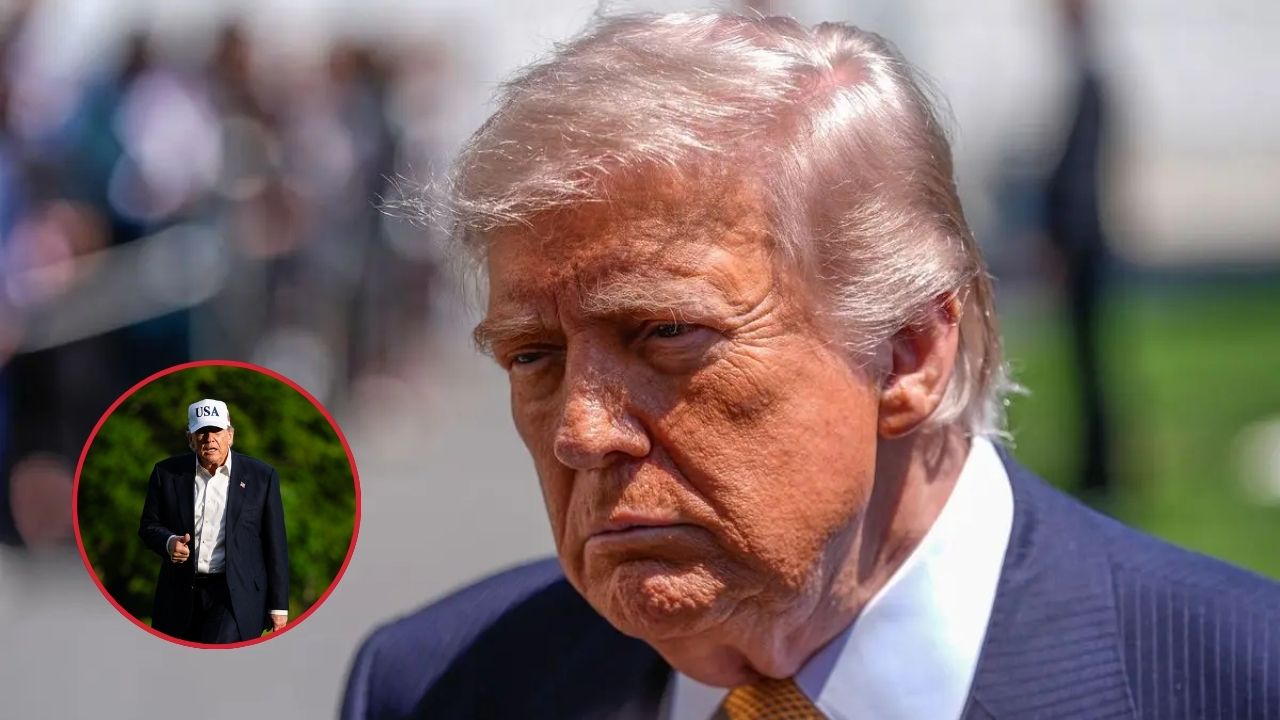
The Trump administration has reportedly decided to postpone a planned executive order on artificial intelligence, citing concerns that premature regulation could hinder innovation and weaken the United States’ competitive position in one of the world’s fastest-growing technology sectors.
The move reflects the growing debate over how governments should approach artificial intelligence as the technology becomes increasingly important to economic growth, national security, and global competitiveness. While many experts support safeguards for advanced AI systems, others argue that excessive regulation at this stage could slow progress and limit opportunities for American companies.
As AI development accelerates worldwide, policymakers are facing difficult decisions about how to balance innovation with oversight. The reported delay suggests that protecting technological leadership has become a central consideration in shaping future AI policy.
Innovation Concerns Drive Delay
At the heart of the decision is a concern that new regulatory requirements could place unnecessary burdens on developers and technology companies. Artificial intelligence remains a rapidly evolving field, with breakthroughs occurring at an unprecedented pace.
Government officials are reportedly evaluating whether additional rules could reduce flexibility for businesses working on next-generation AI systems. Some policymakers believe that introducing restrictive measures too early may discourage investment and make it harder for American firms to compete with international rivals.
Supporters of the delay argue that innovation thrives in environments where researchers and entrepreneurs can experiment freely. They believe policymakers should avoid creating obstacles that could slow technological advancement before the full potential of AI is realized.
The administration’s cautious approach signals a preference for allowing continued growth while broader discussions about regulation continue.
AI Becomes an Economic Priority
Artificial intelligence has emerged as one of the most influential technologies of the modern economy. From healthcare and finance to manufacturing and transportation, AI-powered tools are transforming how organizations operate and make decisions.
The rapid adoption of generative AI has further increased interest in the sector. Businesses are investing heavily in automation, productivity tools, and advanced machine learning systems designed to improve efficiency and reduce costs.
As a result, AI is no longer viewed solely as a technology issue. It has become an economic priority with implications for job creation, investment, and long-term competitiveness.
Many policymakers believe maintaining leadership in AI could provide substantial economic advantages over the coming decades. Delaying regulatory action may therefore be seen as a strategy to ensure the United States remains at the forefront of innovation.
Industry Welcomes Flexibility
Technology companies have generally advocated for a balanced regulatory framework that encourages innovation while addressing legitimate concerns about safety and accountability.
Many industry leaders argue that AI development is progressing so quickly that rigid regulations could become outdated before they are fully implemented. Instead, they favor adaptable policies that evolve alongside technological advancements.
Companies also emphasize the importance of maintaining a competitive environment for startups and emerging businesses. Smaller firms often lack the resources needed to navigate complex compliance requirements, making them particularly sensitive to regulatory changes.
By postponing the executive order, the administration may provide additional time for consultation with industry stakeholders and technical experts. Such discussions could help create policies that support innovation without compromising public interests.
Pressure for Stronger Oversight
Despite concerns about limiting innovation, there is also significant pressure for governments to establish clear rules governing artificial intelligence.
Advocates for stronger oversight point to a range of challenges associated with advanced AI systems. These include misinformation, privacy concerns, cybersecurity risks, algorithmic bias, and the potential impact on employment.
Some experts warn that delaying regulation could allow problematic practices to become more deeply embedded before safeguards are introduced. They argue that governments should act proactively rather than waiting for major issues to emerge.
The debate highlights the complexity of AI governance. Policymakers must address legitimate concerns without creating barriers that prevent beneficial innovation from reaching consumers and businesses.
Finding that balance remains one of the biggest challenges facing regulators around the world.
Global Competition Intensifies
The administration’s reported decision comes amid growing international competition in artificial intelligence.
Countries across Europe, Asia, and the Middle East are investing heavily in AI research, infrastructure, and talent development. Governments increasingly view artificial intelligence as a strategic technology capable of influencing economic growth and geopolitical influence.
China continues to be a major competitor in the global AI race, with substantial investments aimed at advancing domestic capabilities. Meanwhile, European regulators have focused on developing comprehensive frameworks designed to govern AI deployment and risk management.
These differing approaches have fueled debate in Washington over how aggressively the United States should regulate emerging technologies. Many policymakers fear that overly restrictive measures could place American companies at a disadvantage compared with competitors operating under different regulatory environments.
As international competition intensifies, maintaining technological leadership has become an increasingly important policy objective.
Uncertainty Over Future Rules
Although the executive order has reportedly been postponed, discussions about AI regulation are far from over.
Government officials are expected to continue reviewing policy options and consulting with industry representatives, researchers, and legal experts. Future proposals could incorporate feedback from multiple stakeholders while attempting to address concerns about both innovation and safety.
Businesses are closely monitoring these developments, as future regulations could affect investment strategies, product development timelines, and long-term planning. Investors are also paying attention, given the significant role artificial intelligence is expected to play in future economic growth.
For now, uncertainty remains regarding what form any eventual executive action may take and when it could be introduced.
A Critical Moment for AI Policy
The decision to postpone the artificial intelligence executive order underscores the growing importance of AI in shaping economic and technological policy. Leaders are increasingly recognizing that decisions made today could influence innovation, competitiveness, and national security for years to come.
Artificial intelligence offers enormous opportunities, but it also presents challenges that governments must address carefully. The debate is no longer about whether AI should be regulated, but rather how regulation can be implemented without undermining progress.
As policymakers continue evaluating their options, the focus remains on finding a framework that protects the public while preserving America’s ability to lead in one of the most transformative technologies of the 21st century.
The delay reflects the belief that striking the right balance requires careful consideration. With innovation and competitiveness at stake, the future of AI policy remains one of the most closely watched issues in the technology sector.