
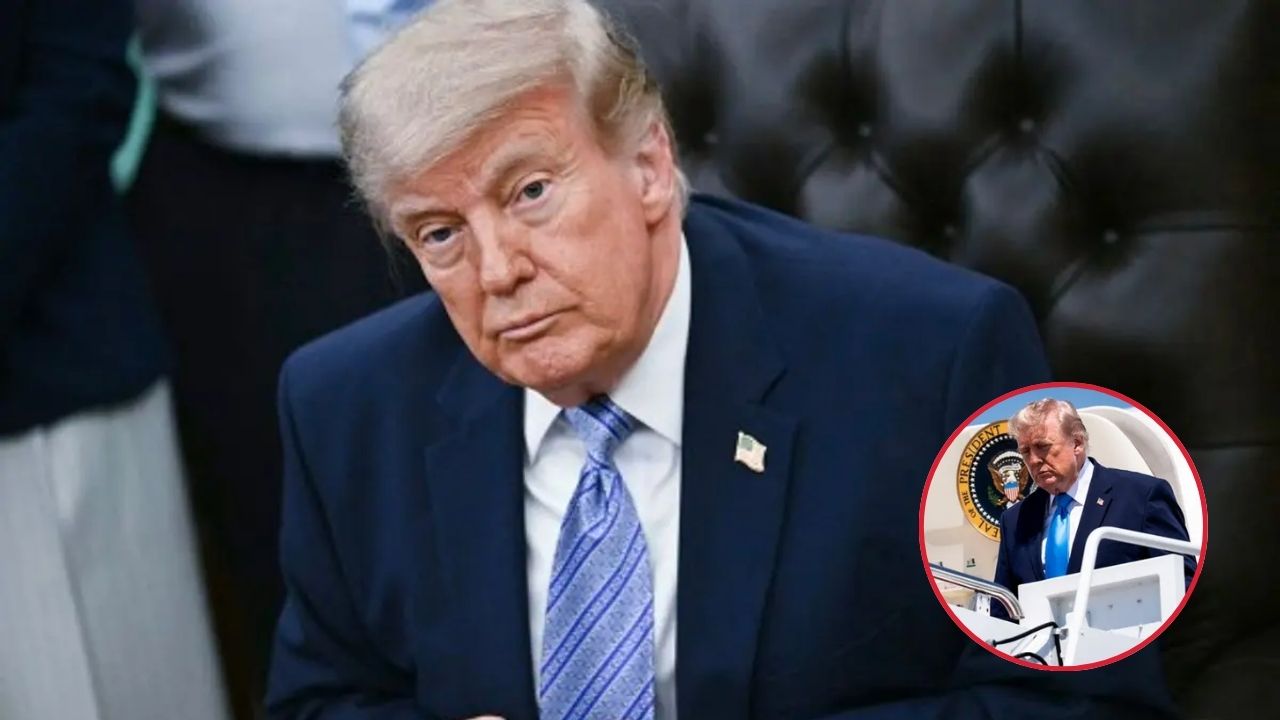
The White House is reportedly taking a more cautious approach toward a planned executive order on artificial intelligence, with concerns growing over how new regulations could affect America’s position in the global technology race. The delay highlights the increasingly difficult balance policymakers face as they attempt to encourage innovation while addressing the risks associated with rapidly advancing AI systems.
Artificial intelligence has become one of the most important technological and economic priorities worldwide. Governments, businesses, and investors are pouring billions of dollars into AI development, viewing it as a key driver of future growth, productivity, and national security. Against this backdrop, any major policy decision involving the technology carries significant consequences.
Competitiveness Takes Center Stage
According to reports, concerns about maintaining U.S. competitiveness have become a major factor in discussions surrounding the executive order. Policymakers are evaluating whether stricter oversight could unintentionally slow domestic innovation at a time when global rivals are accelerating their own AI initiatives.
The debate reflects a broader question facing governments worldwide: how to regulate a transformative technology without creating barriers that limit growth. Industry leaders have repeatedly argued that excessive restrictions could make it harder for American companies to compete internationally, particularly against nations investing heavily in AI infrastructure and research.
Supporters of a more measured approach believe that maintaining technological leadership requires policies that encourage experimentation, investment, and commercialization. They warn that poorly designed regulations could push innovation elsewhere, reducing the country’s influence over the future development of AI.
Growing Pressure From Industry
Technology companies have become increasingly vocal about the importance of preserving an innovation-friendly environment. Many firms support reasonable safeguards but caution against rules that could increase compliance costs or slow product development.
The AI sector has experienced explosive growth over the past two years, driven by advances in large language models, automation tools, and generative AI applications. Businesses across industries are integrating AI into operations, customer service, software development, healthcare, and financial services.
Industry representatives argue that regulatory certainty is important, but they also emphasize the need for flexibility. As the technology evolves rapidly, companies fear that rigid requirements could become outdated quickly, creating unnecessary obstacles for developers and researchers.
These concerns appear to be influencing ongoing discussions within government circles as officials assess the potential impact of any executive action.
Balancing Innovation and Safety
While competitiveness remains a major consideration, policymakers continue to face pressure from groups calling for stronger AI safeguards. Critics of a hands-off approach warn that advanced AI systems present real risks that require proactive oversight.
Issues such as misinformation, privacy protection, cybersecurity threats, algorithmic bias, and workforce disruption remain central to the debate. Advocacy organizations and some experts argue that delaying regulatory action could leave important questions unresolved as AI adoption accelerates.
Government officials are therefore attempting to strike a balance between encouraging innovation and protecting the public interest. The challenge is particularly difficult because AI technology evolves much faster than traditional regulatory frameworks.
As a result, policymakers are exploring ways to establish guardrails without undermining economic growth or technological progress.
Global Competition Intensifies
The timing of the reported delay comes as international competition in artificial intelligence continues to intensify. Countries around the world are introducing national AI strategies, increasing funding for research, and seeking to attract top technical talent.
China remains one of the most significant competitors in the AI race, with substantial government-backed investments and ambitious long-term development goals. Meanwhile, European policymakers are advancing comprehensive regulatory frameworks aimed at governing AI deployment across multiple sectors.
These developments have heightened concerns in Washington about preserving America’s leadership position. Many officials view AI as a strategic technology with implications extending beyond business and economic growth.
National security, defense capabilities, scientific research, and critical infrastructure are all increasingly connected to advances in artificial intelligence. Consequently, decisions regarding regulation are being evaluated through both economic and geopolitical lenses.
Uncertainty Surrounds Future Policy
Although reports suggest a delay, it remains unclear how long policymakers will continue reviewing the executive order. Discussions are expected to focus on finding an approach that addresses safety concerns while maintaining the country’s competitive advantages.
Observers note that the administration is likely to continue consulting with industry leaders, researchers, academic experts, and policymakers before finalizing any major action. Such consultations could help shape a framework that reflects both technological realities and public concerns.
Businesses operating in the AI sector will be watching closely for signs of future policy direction. Investors, startups, and established technology firms all have a stake in understanding how government rules may affect innovation, investment decisions, and market opportunities.
The outcome could influence not only domestic technology development but also international perceptions of America’s commitment to AI leadership.
A Defining Policy Challenge
The reported delay underscores the complexity of governing one of the most transformative technologies of the modern era. Artificial intelligence offers enormous opportunities for economic growth, scientific advancement, and productivity gains, but it also introduces challenges that governments cannot ignore.
As policymakers continue their deliberations, the central question remains unchanged: how can the United States encourage innovation while ensuring responsible AI development?
The answer will likely shape the future of the technology industry for years to come. Whether through executive action, legislation, or a combination of both, decisions made today could determine how effectively the country competes in the global AI race while addressing the societal impacts of this rapidly evolving technology.