
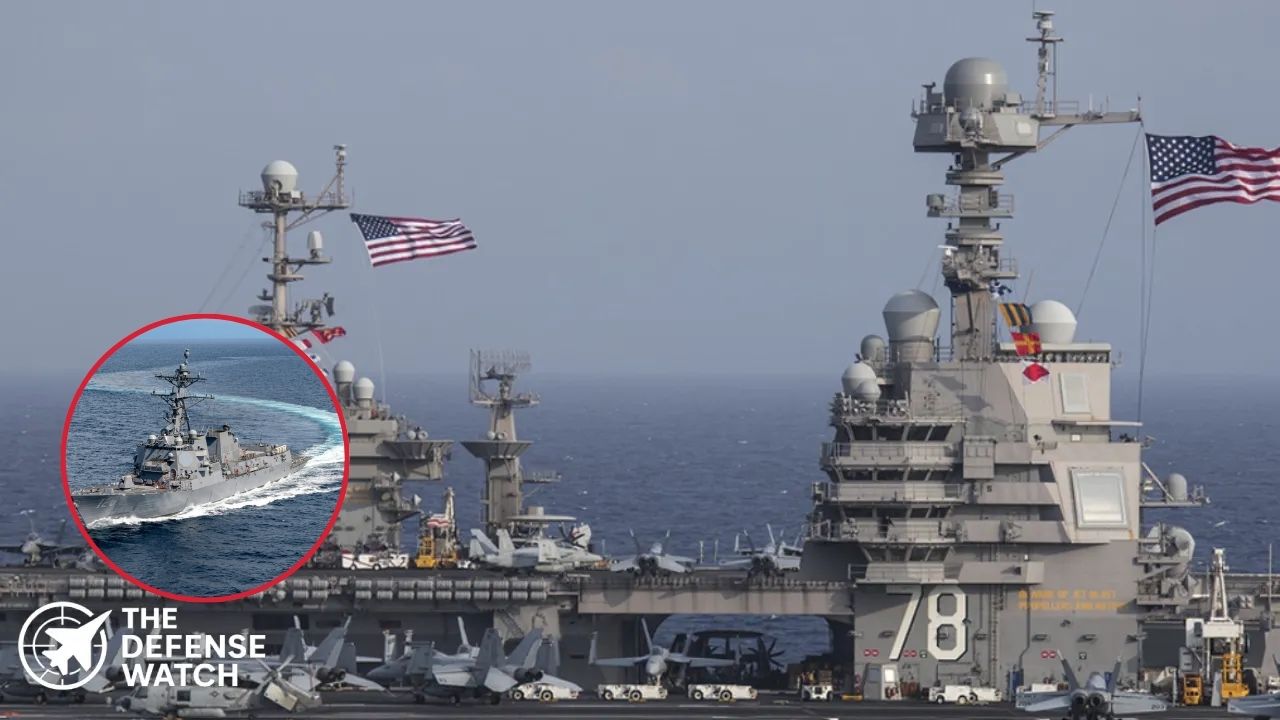
The United States Navy is accelerating efforts to modernize its fleet while preparing for the retirement of several aging vessels over the coming years. The initiative reflects a broader strategy aimed at maintaining maritime superiority, improving operational readiness, and adapting to evolving security challenges across multiple regions of the world.
As older ships reach the end of their service lives, Navy leaders are focused on introducing advanced platforms equipped with next-generation technologies. The transition is designed to strengthen the fleet’s long-term capabilities while ensuring that American naval forces remain prepared for future missions.
The modernization effort represents one of the most significant transformations in recent naval history, balancing the retirement of legacy vessels with investments in new warships, submarines, and support systems.
Aging Ships Near Retirement
Many of the vessels currently scheduled for retirement have served the Navy for decades. These ships have participated in numerous deployments, humanitarian operations, training missions, and military exercises around the world.
While upgrades and maintenance programs have extended their operational lives, aging platforms eventually become more expensive to maintain and less efficient compared to newer alternatives.
Defense planners regularly evaluate fleet readiness and lifecycle costs when determining retirement schedules. In many cases, officials conclude that replacing older ships provides greater long-term value than continuing costly modernization efforts on aging vessels.
The upcoming retirements are therefore viewed as part of a routine but important process that allows the Navy to refresh its force structure and maintain operational effectiveness.
Modernization Becomes Priority
Fleet modernization has become a central objective for military leaders as global security environments continue to evolve.
Emerging technologies, advanced weapons systems, and changing naval warfare tactics are reshaping how maritime forces operate. To remain competitive, the Navy is investing heavily in platforms capable of meeting future challenges.
New vessels are being designed with improved survivability, enhanced sensors, greater automation, and advanced communication systems. These capabilities are expected to improve operational flexibility while reducing maintenance demands.
Officials argue that modernization is essential not only for maintaining readiness but also for ensuring that American forces can effectively respond to emerging threats in increasingly contested environments.
The strategy reflects a long-term commitment to preserving naval superiority through innovation and technological advancement.
Focus on Advanced Warships
A significant portion of the modernization effort centers on introducing advanced surface combatants and support vessels.
New warships are expected to feature sophisticated radar systems, integrated weapons platforms, and enhanced defensive capabilities. These improvements allow ships to operate more effectively in complex environments while supporting a broader range of missions.
The Navy is also exploring greater use of automation and digital technologies to improve efficiency and reduce operational costs. Modern vessels increasingly rely on advanced software systems that enhance decision-making and situational awareness.
Such capabilities are becoming increasingly important as military operations grow more data-driven and technologically complex.
The introduction of new ships is expected to play a major role in shaping the fleet of the future.
Submarine Programs Expand
Beyond surface vessels, submarine modernization remains a critical component of the Navy’s long-term strategy.
Submarines continue to be among the most valuable assets in modern naval operations due to their stealth, flexibility, and strategic importance. As older platforms approach retirement, newer submarine classes are being developed to maintain undersea dominance.
These next-generation vessels are expected to incorporate advanced propulsion systems, improved stealth technologies, and enhanced operational capabilities. Defense officials view submarine modernization as essential for maintaining strategic deterrence and supporting global security objectives.
The transition from older submarines to modern replacements represents a major investment in future readiness and operational effectiveness.
As global competition intensifies beneath the oceans, undersea capabilities remain a top priority for military planners.
Budget and Resource Challenges
While modernization offers significant advantages, it also presents financial and logistical challenges.
Building advanced warships and submarines requires substantial investment, long development timelines, and extensive coordination among government agencies and defense contractors.
Lawmakers and military officials must balance modernization goals with broader budget considerations. Decisions regarding procurement, maintenance, and retirement schedules often involve complex trade-offs.
At the same time, the Navy must maintain readiness across its existing fleet while introducing new capabilities. This requires careful planning to avoid operational disruptions during the transition period.
Managing resources effectively will remain a key factor in determining the success of modernization initiatives.
Global Security Influences Planning
The Navy’s modernization efforts are taking place against a backdrop of increasing geopolitical competition.
Many nations are investing heavily in naval capabilities, including advanced ships, submarines, missile systems, and surveillance technologies. These developments have intensified the focus on maintaining a technologically superior fleet.
Military leaders argue that future conflicts may involve highly contested maritime environments where speed, information, and advanced capabilities play decisive roles.
As a result, modernization is not viewed solely as a replacement program. It is also considered a strategic necessity designed to ensure that naval forces remain capable of operating effectively under future conditions.
The retirement of older vessels and introduction of advanced platforms reflect this broader strategic outlook.
Preparing for the Next Generation
The ongoing retirement schedule marks the end of service for many ships that have played important roles in naval operations over the years. Their contributions helped support missions ranging from deterrence and defense to disaster relief and international cooperation.
At the same time, the arrival of newer vessels signals the beginning of a new chapter for the Navy.
Future ships and submarines are expected to provide enhanced capabilities that align with evolving mission requirements and technological advancements. By investing in modernization today, defense leaders hope to ensure that naval forces remain prepared for tomorrow’s challenges.
The transition will take time, requiring careful management of resources, personnel, and infrastructure. However, officials believe the long-term benefits will strengthen fleet readiness and improve operational effectiveness.
As multiple ship retirements move forward, modernization efforts will continue to shape the future of American naval power. The balance between honoring the legacy of aging vessels and embracing new technologies will define the Navy’s strategic direction for decades to come.