
Hundreds of Travellers Stranded In Europe As Denmark, Netherlands, UK And Others Delay 2497 And Cancelled 152 Flights Impacting easyJet, KLM, Lufthansa And Others In London, Paris And More
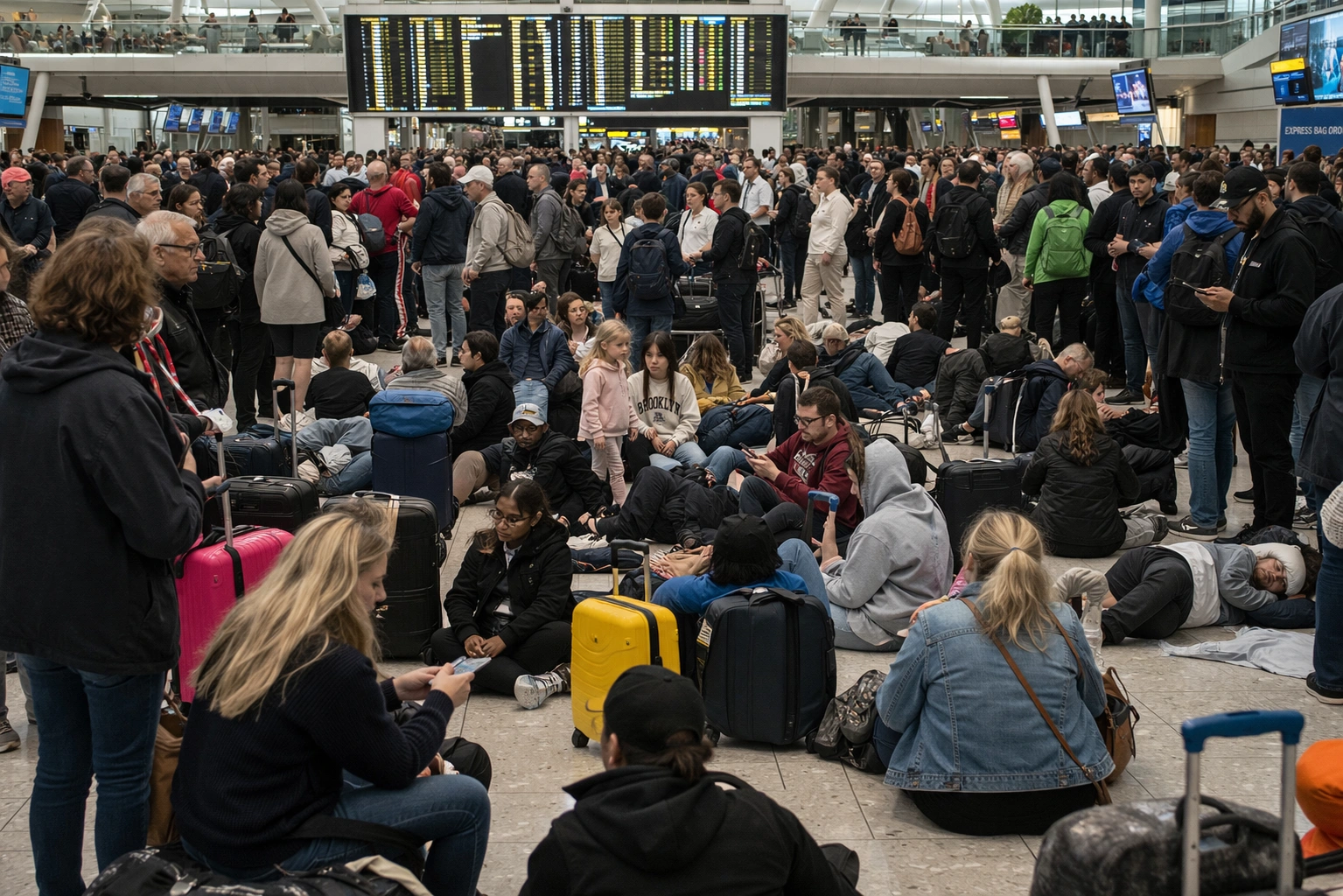
Hundreds of travellers across Europe are facing severe disruptions as widespread flight delays and cancellations continue to ripple through major aviation hubs. Airports in London, Paris, Amsterdam, and other key cities have been hit particularly hard, leaving passengers stranded, frustrated, and scrambling for alternatives.
Airlines including easyJet, KLM, Lufthansa, and several others are at the center of the disruption, with a combined total of 2,497 delayed flights and at least 152 cancellations reported within a short span. The situation has quickly escalated into one of the most significant travel disruptions in recent weeks, affecting both short-haul and long-haul journeys.
Major Airports Under Pressure
Some of Europe’s busiest airports are struggling to cope with the surge in operational challenges. London’s Heathrow and Gatwick airports, along with Paris Charles de Gaulle and Amsterdam Schiphol, have witnessed mounting congestion as delayed flights create a domino effect across schedules.
Passengers report long queues, last-minute gate changes, and limited communication from airlines. In many cases, travellers have been forced to wait for hours without clear updates, adding to the confusion and stress.
The pressure on airport staff and ground operations has also intensified, further slowing down turnaround times for aircraft and worsening delays.
Airlines Facing Operational Strain
Airlines such as easyJet, KLM, and Lufthansa are dealing with a combination of operational hurdles, including air traffic control restrictions, staffing shortages, and unpredictable weather conditions in certain regions.
These challenges have made it difficult for carriers to maintain on-time schedules. Even minor disruptions have quickly snowballed into widespread delays, particularly during peak travel periods when flight networks are already operating at high capacity.
Budget airlines and full-service carriers alike are impacted, highlighting the scale of the issue across the aviation industry.
Weather and Air Traffic Control Issues
Adverse weather conditions in parts of Northern and Western Europe have played a significant role in the disruption. Strong winds, reduced visibility, and intermittent storms have forced air traffic controllers to limit flight movements in some airspaces.
Air traffic control restrictions are especially impactful because they affect multiple airlines simultaneously. When flight slots are reduced, delays cascade across routes, leading to missed connections and extended waiting times for passengers.
Even as weather conditions begin to improve, the backlog of delayed flights continues to affect schedules.
Passengers Left Stranded
For many travellers, the disruption has meant missed holidays, delayed business trips, and unexpected overnight stays. Hotels near major airports have seen a surge in demand as stranded passengers look for accommodation while waiting for rescheduled flights.
Families with children, elderly passengers, and international travellers have been among the most affected. Social media has been flooded with accounts of passengers sleeping on airport floors, struggling to rebook flights, or facing difficulties in getting timely assistance.
The lack of clear communication in some cases has only added to passenger frustration.
Ripple Effects Across Europe
The impact of these disruptions extends far beyond individual airports. Flights connecting smaller cities to major hubs have also been delayed or cancelled, creating a ripple effect across the entire European aviation network.
Passengers traveling on connecting itineraries are particularly vulnerable, as a delay in one segment often leads to missed onward flights. This has forced airlines to manage a growing number of rebooking requests, putting additional strain on customer service systems.
Cargo operations have also been affected, with delays impacting supply chains and logistics schedules.
What Travellers Should Do
With disruptions ongoing, travellers are advised to stay proactive and informed. Checking flight status regularly through airline apps or official airport websites can help avoid unnecessary trips to the airport.
Passengers should also keep important documents and essentials in their carry-on luggage, especially when traveling during uncertain conditions. Travel insurance and flexible booking options can provide an added layer of protection during such disruptions.
Reaching out to airlines early for rebooking or compensation claims can also improve the chances of securing alternative travel arrangements.
Airlines Working to Recover
Airlines and airport authorities are actively working to stabilize operations and clear the backlog of delayed flights. Additional staff, revised schedules, and contingency plans are being implemented to restore normalcy as quickly as possible.
However, experts warn that it may take time for the system to fully recover, especially if further weather disturbances or operational constraints arise.
Travellers planning journeys in the coming days are advised to remain cautious and allow extra time for airport procedures.
A Reminder of Travel Uncertainty
The ongoing situation serves as a reminder of how quickly travel plans can be disrupted due to a combination of factors beyond anyone’s control. While airlines continue to improve resilience, external challenges such as weather and air traffic limitations remain unpredictable.